A

Read the essentials →
April 5 · —

Sts. African Martyrs

Sts. African Martyrs

Traditional feast

April 5
1914 / pre-1969 calendar, per Baring-Gould (1897)

Current feast

Not verified yet

Represents

Feast

Early life

The book says little or nothing about early life. This is how the account begins.

What they represent

How they teach us to live

Drawn from themes in the original account

Keep their day. Remember them on April 5 with a short prayer, and ask for their help.

Read more

The full original · 0 words

Read Baring-Gould’s full account

Baring-Gould’s sources: Roman Martyrology. Authority: — Victor of Utica, a contemporary, in his history of the Vandal persecution.] jURING the cruel persecution of the Church in North Africa by the Arian king Genseric, an Arian priest named Andiot led on a band of armed men to attack the Catholics in their church, whilst they were celebrating the feast of Easter. Some burst in armed with swords, others threw darts, or shot arrows through the windows, and some ascended the roof to tear it up and throw stones on the worshippers. A lector was then in the ambon chanting the Paschal Alleluia, when an arrow pierced his throat, and the book dropped from his hands, and he bowed and sank down in the pulpit to die. The whole congregation was then butchered by the ruffians. S. GERALD, AB. O.S.B.

Feast days

Feast: April 5

Nine days · Free

Pray the novena
with us.

One short email a day for nine days. The day's prayer, a line from Sts. African Martyrs's story, and a nudge to keep going.

Also on April 5
G

St. Gilbert of Caithness
April 5 · Bishop
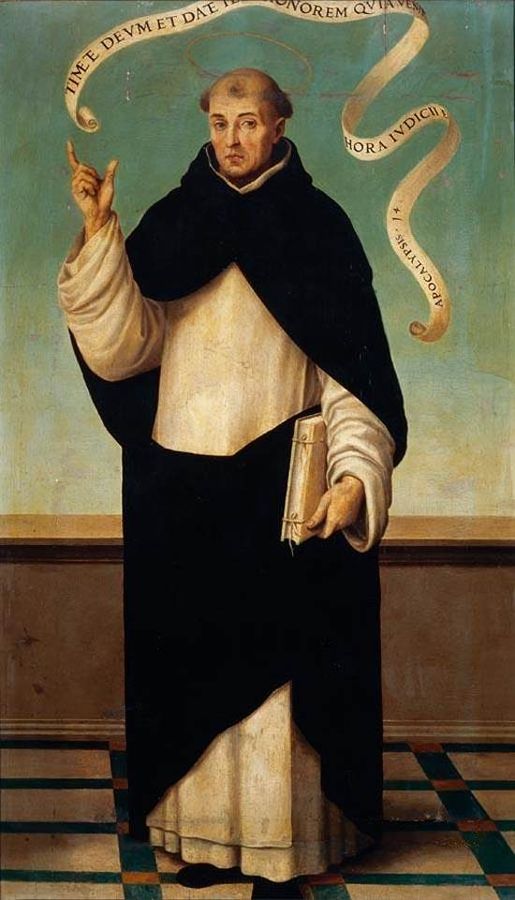
St. Vincent Ferrier

St. Vincent Ferrier

April 5 · Confessor, Priest
← All 1726 saints in the library
Sources & notes

Feast-day sources

Sources

Credits

From Sabine Baring-Gould, The Lives of the Saints, new edition in 16 vols. (London: John C. Nimmo, 1897–98); text from the Internet Archive scan (OCR, lightly cleaned; errors possible). Public domain.

From Sabine Baring-Gould, The Lives of the Saints, new edition in 16 vols. (London: John C. Nimmo, 1897–98); text from the Internet Archive scan (OCR, lightly cleaned; errors possible). Public domain in the United States. Reproduced unedited, except for short bracketed notes in grey that we added to explain names and terms (“S.” is the old abbreviation for Saint). Some history and judgments reflect 19th-century scholarship.