L
Sts. Luceja and Aucejas
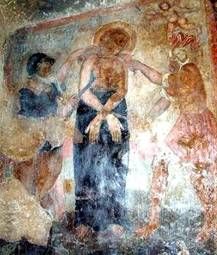
St. Febronia
M
Jason is said by the Menology of the emperor Basil to have been a native of Tarsus, and in after years to have become the bishop of that city, but Sosipater, born in Achaia, became
Read the essentials →Jason is said by the Menology of the emperor Basil to have been a native of Tarsus, and in after years to have become the bishop of that city, but Sosipater, born in Achaia, became
June 25
Not verified yet
Feast
Thin entry · the 1897 book gives only 170 words. We have not filled the gap with invented detail.
Jason is said by the Menology of the emperor Basil to have been a native of Tarsus, and in after years to have become the bishop of that city, but Sosipater, born in Achaia, became bishop of Iconium. They were forthwith allowed to depart in peace, but not before they had converted Cercyra, the daughter of the king.
Share your faith, in words and by example. Preaching and conversion are central here.
Be a peacemaker. Making peace is part of this story.
Jason is said by the Menology of the emperor Basil to have been a native of Tarsus, and in after years to have become the bishop of that city, but Sosipater, born in Achaia, became bishop of Iconium. After a while both resigned their sees and went to the West, but were driven on the island of Corcyra, when Cercylinus, the king, ordered them to be apprehended and cast into prison. There they converted seven robbers with whom they shared their dungeon, and the jailer Autonius. The king hearing this, ordered the execution of Autonius. Then fire fell from heaven, and consumed the wife and two sons of the king, and dissolved the chains of the saints. They were forthwith allowed to depart in peace, but not before they had converted Cercyra, the daughter of the king. She was pierced with arrows, stoned to death, and the seven robbers were thrown into vessels of boiling oil and pitch. It is not necessary to add that this story is purely fabulous.1
Feast: June 25
One short email a day for nine days. The day's prayer, a line from Sts. Sosipater and Jason's story, and a nudge to keep going.
From Sabine Baring-Gould, The Lives of the Saints, new edition in 16 vols. (London: John C. Nimmo, 1897–98); text from the Internet Archive scan (OCR, lightly cleaned; errors possible). Public domain.
From Sabine Baring-Gould, The Lives of the Saints, new edition in 16 vols. (London: John C. Nimmo, 1897–98); text from the Internet Archive scan (OCR, lightly cleaned; errors possible). Public domain in the United States. Reproduced unedited, except for short bracketed notes in grey that we added to explain names and terms (“S.” is the old abbreviation for Saint). Some history and judgments reflect 19th-century scholarship.