C

Read the essentials →
April 6 · —

St. Celsus

St. Celsus, Archbishop of Armagh

Traditional feast

April 6
1914 / pre-1969 calendar, per Baring-Gould (1897)

Current feast

Not verified yet

Represents

Feast

Their story

Adapted in modern English from Alban Butler's Lives of the Saints · little is known

Celsus, in Irish Ceallach, was Archbishop of Armagh and is commemorated in the Roman Martyrology (the Church's official list of saints for each day). He died on 1 April 1129 at Ard-Patrick (Patrick's Mount) in Munster.

His successor at Armagh was St Malachy, and Butler refers readers to Malachy's life and to Sir James Ware for more about him.
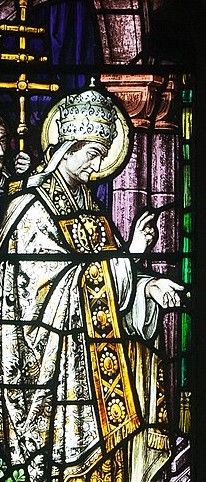
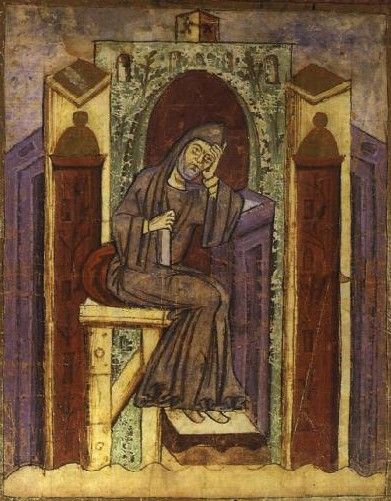
Early life

The book says little or nothing about early life. This is how the account begins.

Thin entry · the 1897 book gives only 0 words. We have not filled the gap with invented detail.

What they represent

How they teach us to live

Drawn from themes in the original account

Keep their day. Remember them on April 6 with a short prayer, and ask for their help.

Read more

The full original · 0 words

Read Baring-Gould’s full account

Baring-Gould’s sources: Inserted by Baronins in the Roman Martyrology. The Irish Martyrologies on April 1st, and his deposition on April 4th. Authorities S. Bernard, Vit S. Malachi; the Chronicle of the archbishops of Armagh, and that of the Four Masters.] Celsus, whose real name was Ceallach, was a grandson of archbishop Moeliosa of Armagh, the predecessor of Donald MacAmalgaidh, by his son Aedh, and accordingly was a member of the family which had for so great a lapse of time usurped the possession of that great see. But although of that family, he was a real bishop, having been actually consecrated on the 23rd September, 1105, before he had reached the canonical age, being then only twentysix years old. This was due to the influence of his family, which had marked him out as successor to Donald MacAmalgaidh. He had been preceded in the possession of the see by eight married men not in Holy Orders; and it may well be supposed that the archdiocese had fallen into grave disorder. S. Bernard tells us that every part of Ireland was affected through this scandal with a great dissolution of ecclesiastical discipline and neglect of religion. Barbarism, he adds, amounting to a sort of paganism, had usurped Christian practices, and bishops were changed and multiplied without order or regularity, according to the mere pleasure of the metropolitan of Armagh, so that almost every parish church had a bishop of its own. S. Celsus laboured to remedy these sad disorders, by his exemplary conduct, charity, preaching, erection of churches, and by laying down rules of discipline and morality for the clergy and people. His first recorded act was to visit Ulster in 1106, a year after his ordination; but this seems to have been as much for temporal as for spiritual purposes,

Feast days

Feast: April 6

Nine days · Free

Pray the novena
with us.

One short email a day for nine days. The day's prayer, a line from St. Celsus's story, and a nudge to keep going.

Also on April 6
S

St. Sixtus or Xystus

April 6 · Martyr
St. Celestine I., Pope

St. Celestine I.

April 6 · Martyr
Bl. Notker Balbulus

Bl. Notker Balbulus

April 6 · Feast
← All 1726 saints in the library
Sources & notes

Feast-day sources

Story sources

Sources

Credits

From Sabine Baring-Gould, The Lives of the Saints, new edition in 16 vols. (London: John C. Nimmo, 1897–98); text from the Internet Archive scan (OCR, lightly cleaned; errors possible). Public domain.

From Sabine Baring-Gould, The Lives of the Saints, new edition in 16 vols. (London: John C. Nimmo, 1897–98); text from the Internet Archive scan (OCR, lightly cleaned; errors possible). Public domain in the United States. Reproduced unedited, except for short bracketed notes in grey that we added to explain names and terms (“S.” is the old abbreviation for Saint). Some history and judgments reflect 19th-century scholarship.