G

Building a community where people could actually live the Gospel.

Read the essentials →
September 24 · Abbot

St. Gere Mar

St. Gere Mar

Building a community where people could actually live the Gospel.

Traditional feast

September 24
1914 / pre-1969 calendar, per Baring-Gould (1897)

Current feast

Not verified yet

Represents

Abbot

Their story

Adapted in modern English from Baring-Gould (1897–98) · original text below

(The surviving account on this page begins partway through the story.)

Some discontented monks of his abbey plotted to kill Geremar. They fixed a knife upright in his bed while he was at the early-morning service, but that day he felt the bed before lying down and found it.

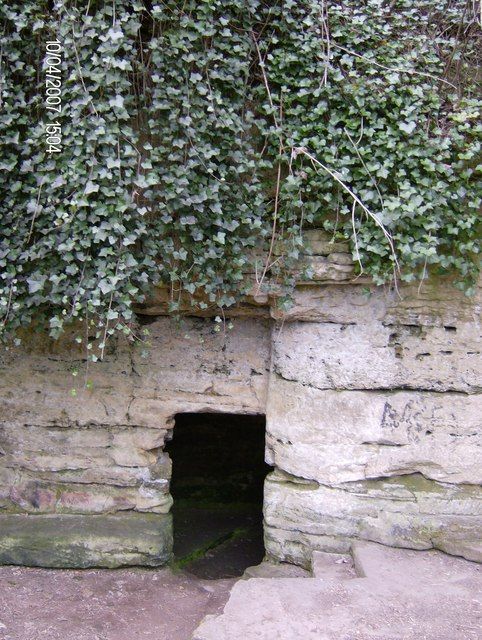
To avoid scandal he left quietly and lived in a cave. News came that his son Amalbert had died on the way home from serving the king in Gascony; Geremar thanked God for receiving him, and brought the body to a monastery. Now heir to the whole family fortune, on the advice of St. Ouen he founded a monastery at Flay on the Epte, now called S. Germer, where he was abbot until his death.

The monks' custom was to rise at cockcrow for the office of prime and return to bed until daybreak, which gave the plotters their chance. Geremar went out to meet the funeral procession, which the king and his nobles accompanied.

Struggles & surrender

What they wrestled with, and how they gave it to God

  • A plot against his life ·
    Source: Baring-Gould, Lives of the Saints. Discontented monks hid a knife in Geremar's bed; he left the abbey quietly to avoid scandal.

Early life

The book says little or nothing about early life. This is how the account begins.

…resolved to make away with him. At cockcrow every morning it was the custom of the community to rise and go to church and sing prime, and return to their beds only at daybreak. One morning whilst Geremar was in church some of the malcontents fastened a sharp knife in his bed with the haft attached to the laths, and the blade erect, so that when Geremar returned in the dusk to the dormitory, and flung himself on his bed, the knife would pierce him.

What they represent

How they teach us to live

Drawn from themes in the original account

Build up the community you belong to. This life was lived with and for a community.

Make time for silence. Solitude and withdrawal to pray shape this life.

Choose mercy. Forgiveness and mercy are part of this story.

Learn from the kind of life it was. Building a community where people could actually live the Gospel.
Read more

The full original · 295 words

Read Baring-Gould’s full account

Baring-Gould’s sources: Roman, Gallican, and Benedictine Martyrologies. Authority: — An ancient Life, which is trustworthy. ] Geremar, son of Rigobert and Haga, of noble Frankish race, was born near Beauvais in the reign of Clothair II. He was called in youth to the court of Dagobert I. He married a maiden named Domana, and by her had two daughters and a son. He contracted a warm friendship for S. Ouen of Rouen, and by his advice surrendered his estates to his son on his coming of age, built a monastery at Vardes, and retired to the abbey of Pentale at the confluence of the Seine and Risble, where he was speedily constituted abbot. His strictness displeased some of the monks, and they S. Geremar.

…resolved to make away with him. At cockcrow every morning it was the custom of the community to rise and go to church and sing prime, and return to their beds only at daybreak. One morning whilst Geremar was in church some of the malcontents fastened a sharp knife in his bed with the haft attached to the laths, and the blade erect, so that when Geremar returned in the dusk to the dormitory, and flung himself on his bed, the knife would pierce him. But on this morning, contrary to his usual custom, he felt his bed before flinging himself on it, and thus discovered the knife. Disgusted at this attempt on his life, he determined to leave the abbey, but without publishing abroad the reason, lest it should cause scandal. He then found a cave and retired into it. Shortly after, news reached him that his son Amalbert, who had been in attendance on the king in Gascony, on his way home had been attacked by a mortal illness which had cut short his days in the flower of youth. Geremar, on receiving the news cried out, “O my God ! Thou hast been merciful towards me, in deigning to receive my son into Thy glory.*' He went to meet the funeral train, which was accompanied by the king and his nobles, and brought his son’s body to the monastery of ITsle. Having become master of his entire fortune by the death of Amalbert, he resolved to consecrate it to God. By the advice of S. Ouen he built and endowed a stately monastery at Flay in the forests of Bray, on the Epte, now called S. Germer. He became abbot of this monastery, and died in it, in the odour of sanctity.

Feast days

Feast: September 24

Nine days · Free

Pray the novena
with us.

One short email a day for nine days. The day's prayer, a line from St. Gere Mar's story, and a nudge to keep going.

Also on September 24
A

Sts. Andochius

September 24 · Martyrs
P

Sts. Paphnutius and…

September 24 · Martyrs
St. Robert of Knaresborough

St. Robert of…

September 24 · Hermit
← All 1726 saints in the library
Sources & notes

Feast-day sources

Story sources

Sources

Credits

From Sabine Baring-Gould, The Lives of the Saints, new edition in 16 vols. (London: John C. Nimmo, 1897–98); text from the Internet Archive scan (OCR, lightly cleaned; errors possible). Public domain.

From Sabine Baring-Gould, The Lives of the Saints, new edition in 16 vols. (London: John C. Nimmo, 1897–98); text from the Internet Archive scan (OCR, lightly cleaned; errors possible). Public domain in the United States. Reproduced unedited, except for short bracketed notes in grey that we added to explain names and terms (“S.” is the old abbreviation for Saint). Some history and judgments reflect 19th-century scholarship.