M

A shepherd who stayed with his people through hard times.

Read the essentials →
December 4 · Bishop

St. Meletius

St. Meletius

A shepherd who stayed with his people through hard times.

Traditional feast

December 4
1914 / pre-1969 calendar, per Baring-Gould (1897)

Current feast

Not verified yet

Represents

Bishop

Early life

The book says little or nothing about early life. This is how the account begins.

Thin entry · the 1897 book gives only 0 words. We have not filled the gap with invented detail.

What they represent

How they teach us to live

Drawn from themes in the original account

Learn from the kind of life it was. A shepherd who stayed with his people through hard times.

Keep their day. Remember them on December 4 with a short prayer, and ask for their help.

Read more

The full original · 0 words

Read Baring-Gould’s full account

Baring-Gould’s sources: Roman Martyrology. Usuardus, Ado, & c. Authorities: — EuseMeletius, bishop of Pontus, called “ Attic Honey,” both from his name and his eloquence, was a man of great learning and virtue. In the persecution of Diocletian he took refuge in Palestine and remained there seven years, after which he returned to his diocese.

Feast days

Feast: December 4

Nine days · Free

Pray the novena
with us.

One short email a day for nine days. The day's prayer, a line from St. Meletius's story, and a nudge to keep going.

Also on December 4
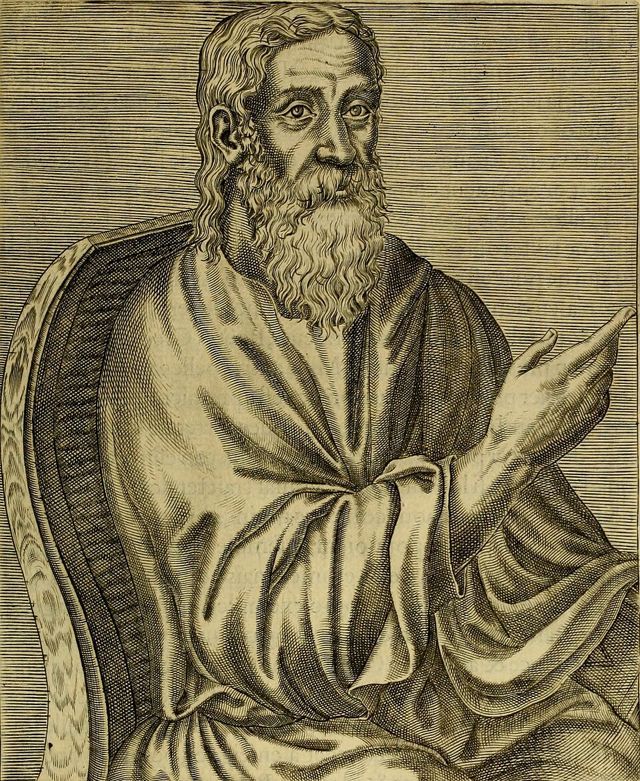
St. Clement of Alexandria

St. Clement of Alexandria

December 4 · Feast
B

St. Barbara

December 4 · Virgin, Martyr
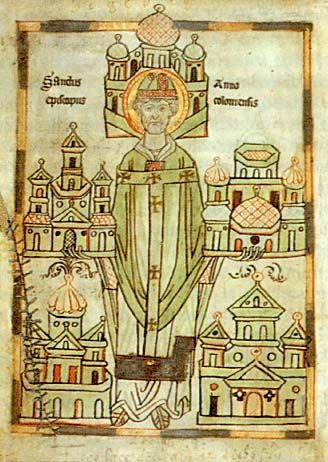
St. Anno of Cologne

St. Anno of Cologne

December 4 · Archbishop
← All 1726 saints in the library
Sources & notes

Feast-day sources

Sources

Credits

From Sabine Baring-Gould, The Lives of the Saints, new edition in 16 vols. (London: John C. Nimmo, 1897–98); text from the Internet Archive scan (OCR, lightly cleaned; errors possible). Public domain.

From Sabine Baring-Gould, The Lives of the Saints, new edition in 16 vols. (London: John C. Nimmo, 1897–98); text from the Internet Archive scan (OCR, lightly cleaned; errors possible). Public domain in the United States. Reproduced unedited, except for short bracketed notes in grey that we added to explain names and terms (“S.” is the old abbreviation for Saint). Some history and judgments reflect 19th-century scholarship.