N

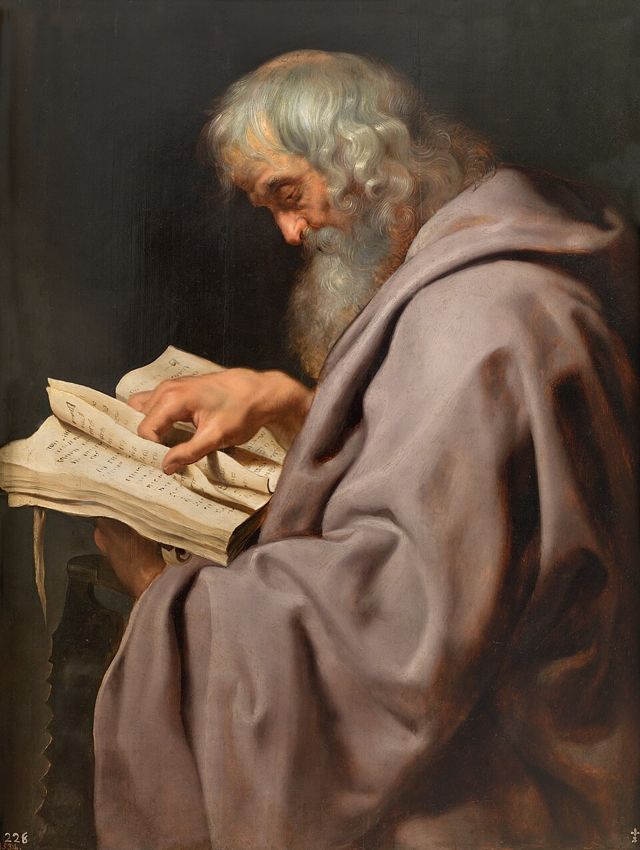
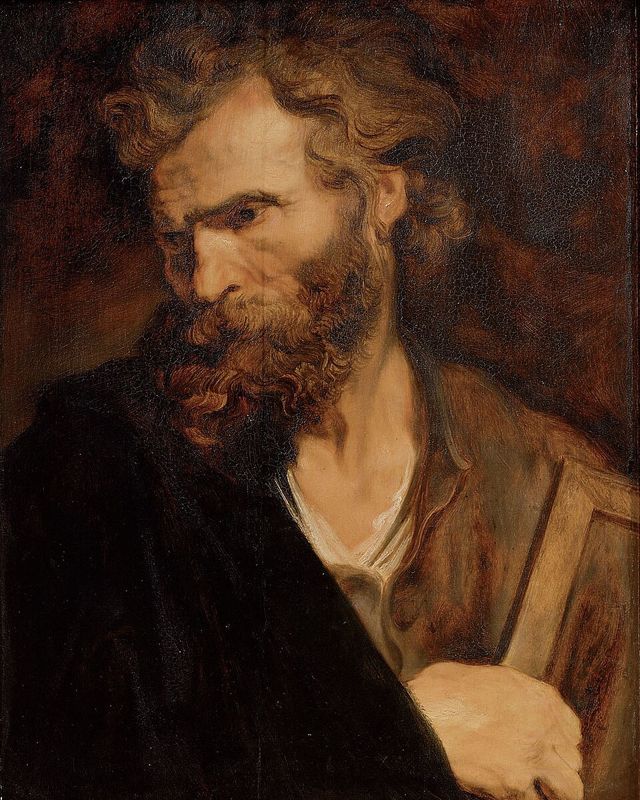
Narcissus was born toward the end of the first century and was nearly eighty when he became the thirtieth Bishop of Jerusalem.

Read the essentials →
October 28 · Bishop

St. Narcissus of…

St. Narcissus of Jerusalem

Narcissus was born toward the end of the first century and was nearly eighty when he became the thirtieth Bishop of Jerusalem.

Traditional feast

October 28
1914 / pre-1969 calendar, per Baring-Gould (1897)

Current feast

Not verified yet

Represents

Bishop

Their story

Adapted in modern English from Alban Butler's Lives of the Saints · Baring-Gould original below

Narcissus was born toward the end of the first century and was nearly eighty when he became the thirtieth Bishop of Jerusalem. In 195 he and Theophilus of Caesarea presided over a council in Palestine which decreed that Easter must always be kept on a Sunday.

Eusebius (bishop of Caesarea, d. c. 339, the first historian of the Church) records that one Easter Eve, when the deacons had no oil for the lamps, Narcissus prayed over water drawn from the wells and it was turned into oil.

Three wicked men accused him of a crime, swearing that if they lied they might perish by fire, by leprosy and by blindness. The first was burned in his house, the second struck with leprosy, and the third, terrified, confessed the slander and spent the rest of his days weeping for it. Narcissus withdrew into solitude, but later returned. In his old age Alexander was given to him as coadjutor, and Narcissus is said to have lived to 116.
Early life

The book says little or nothing about early life. This is how the account begins.

Theophilus, Bishop of Caesarea, and Narcissus of Jerusalem 1 took the lead among the Bishops of Palestine. An assembly was called, and Cassius, Bishop of Tyre, and Clasus of Ptolemais with some others attended the synod. The bishops of Pontus met under the presidency of Palmas, and another council was held at Edessa.

What they represent

How they teach us to live

Drawn from themes in the original account

Make time for silence. Solitude and withdrawal to pray shape this life.

Keep their day. Remember them on October 28 with a short prayer, and ask for their help.

Read more

The full original · 249 words

Read Baring-Gould’s full account

Baring-Gould’s sources: Roman Martyrology. Usuardus, Ado. Authority: — Eusebius, j|ARCISSUS was the thirtieth bishop of Jerusalem. The controversy about the Paschal festival had continued to divide some parts of the Eastern and Western Churches ever since S. Polycarp and S. Anicetus had discussed the question at Rome in 158. The two parties, however, had not conducted themselves with the mildness of those bishops, and the dispute was running high at the period when Narcissus ascended the important throne of Jerusalem. The Churches of Asia Minor adhered to the Jewish method of observing the Paschal festival on the fourteenth day of the first month; whereas all the other Churches kept it on the day before the Sunday on which they celebrated the Resurrection of our Lord The Church of Jerusalem, consisting, since the rebuilding of the city as iElia Capitolina, exclusively of Greeks, was fired with hostility to the relics of the old Nazarene Church of Jerusalem, made up of converted Jews. It, therefore, embraced eagerly the anti- Jewish custom of celebrating Easter, and was thus thrown into opposition to the Churches of Asia Minor.

Theophilus, Bishop of Caesarea, and Narcissus of Jerusalem 1 took the lead among the Bishops of Palestine. An assembly was called, and Cassius, Bishop of Tyre, and Clasus of Ptolemais with some others attended the synod. The bishops of Pontus [a region on the Black Sea coast of Turkey] met under the presidency of Palmas, and another council was held at Edessa. The unanimous decision of these synods was against the Jewish method of keeping the Paschal festival, and they all sent letters declaratory of their sentiments to the different Churches.

Narcissus is said by Eusebius [Eusebius of Caesarea (d. c. 339), the first historian of the Church] to have wrought a notable miracle. One Easter Eve, oil was wanting for the lamps. Narcissus bade water be drawn from a well and poured into the lamps, and it answered as well as oil Narcissus did not escape slander. Some, disliking the strictness of his discipline, told false stories about him, and swore to their truth. The bishop, who had long craved for a life of solitude, took to flight, and remained for many years concealed in the deserts. But divine justice pursued those who had accused him. One was burned in his house, another attacked by leprosy, and the third, after confessing how he had slandered Narcissus, lost his sight On the disappearance of Narcissus, the bishops of the neighbouring churches ordained one named Dius in his room. On the death of Dius they consecrated Germanius, and then Gordius, in whose time Narcissus re-appeared as one risen from the dead, and resumed his office at the entreaty of the people.

Feast days

Feast: October 28

Nine days · Free

Pray the novena
with us.

One short email a day for nine days. The day's prayer, a line from St. Narcissus of…'s story, and a nudge to keep going.

Also on October 28
St. Simon

St. Simon

October 28 · Apostle, Martyr
St. Jude

St. Jude

October 28 · Apostle, Martyr
T

St. Thaddaeus

October 28 · Feast
← All 1726 saints in the library
Sources & notes

Feast-day sources

Story sources

Sources

Credits

From Sabine Baring-Gould, The Lives of the Saints, new edition in 16 vols. (London: John C. Nimmo, 1897–98); text from the Internet Archive scan (OCR, lightly cleaned; errors possible). Public domain.

From Sabine Baring-Gould, The Lives of the Saints, new edition in 16 vols. (London: John C. Nimmo, 1897–98); text from the Internet Archive scan (OCR, lightly cleaned; errors possible). Public domain in the United States. Reproduced unedited, except for short bracketed notes in grey that we added to explain names and terms (“S.” is the old abbreviation for Saint). Some history and judgments reflect 19th-century scholarship.