St. Priscilla, Matron at Rome

Read the essentials →
January 16 · —

St. Priscilla

St. Priscilla, Matron at Rome

Traditional feast

January 16
1914 / pre-1969 calendar, per Baring-Gould (1914)

Current feast

July 8 (also listed: February 13, July 14)
Secondary source · Wikipedia

Represents

Feast

Early life

The book says little or nothing about early life. This is how the account begins.

Thin entry · the 1914 book gives only 0 words. We have not filled the gap with invented detail.

What they represent

How they teach us to live

Drawn from themes in the original account

Keep their day. Remember them on January 16 with a short prayer, and ask for their help.

Read more

The full original · 0 words

Read Baring-Gould’s full account

Baring-Gould’s sources: Roman Martyrology. This Priscilla is not to be confounded with the wife of Aquila (Acts xviii. 26.) She was the mother of S. Pudens (2 Tim. iv. 21), who was the father of SS. Praxedes and Pudentiana, the guests and disciples of S. Peter. Nothing more is known of her.

Feast days

Feast: July 8
Traditional: January 16

Nine days · Free

Pray the novena
with us.

One short email a day for nine days. The day's prayer, a line from St. Priscilla's story, and a nudge to keep going.

Also on January 16
St. Marcellus, Pope

St. Marcellus

January 16 · Martyr
M

St. Melas of Rhinoclusa

January 16 · Bishop, Confessor
H

St. Honoratus of Arles

January 16 · Bishop
← All 1726 saints in the library
Sources & notes

Feast-day sources

Sources

Credits

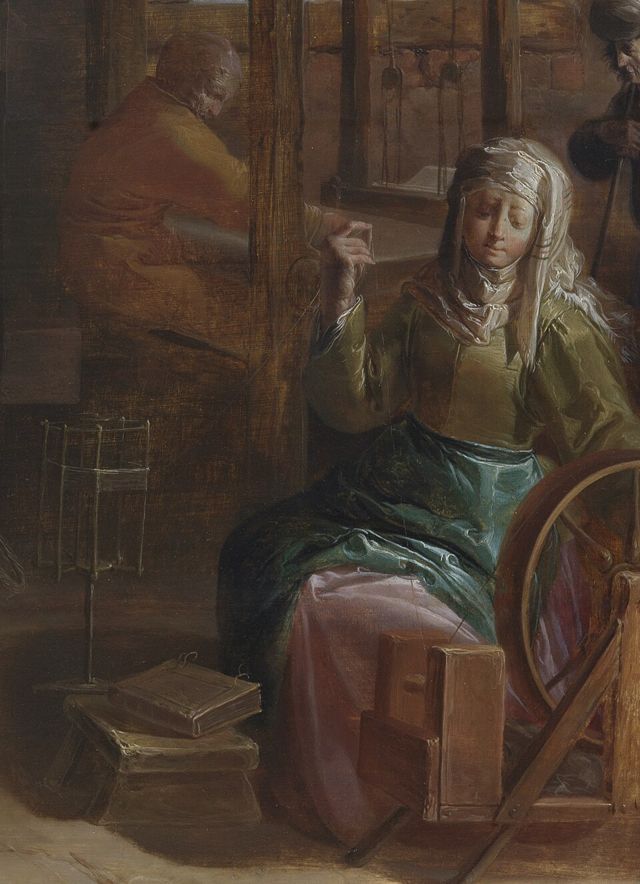
Image: Jan van de Venne - Saint Paul with Saints Aquila and Priscilla (crop).jpg · Jan van der Venne · CC0, via Wikimedia Commons

From Sabine Baring-Gould, The Lives of the Saints, new and revised edition (Edinburgh: John Grant, 1914; first edition 1872). Public domain.

Image: Jan van der Venne, Wikimedia Commons (CC0)

From Sabine Baring-Gould, The Lives of the Saints, new and revised edition (Edinburgh: John Grant, 1914; first edition 1872). Public domain in the United States. Reproduced unedited, except for short bracketed notes in grey that we added to explain names and terms (“S.” is the old abbreviation for Saint). Some history and judgments reflect 19th-century scholarship.