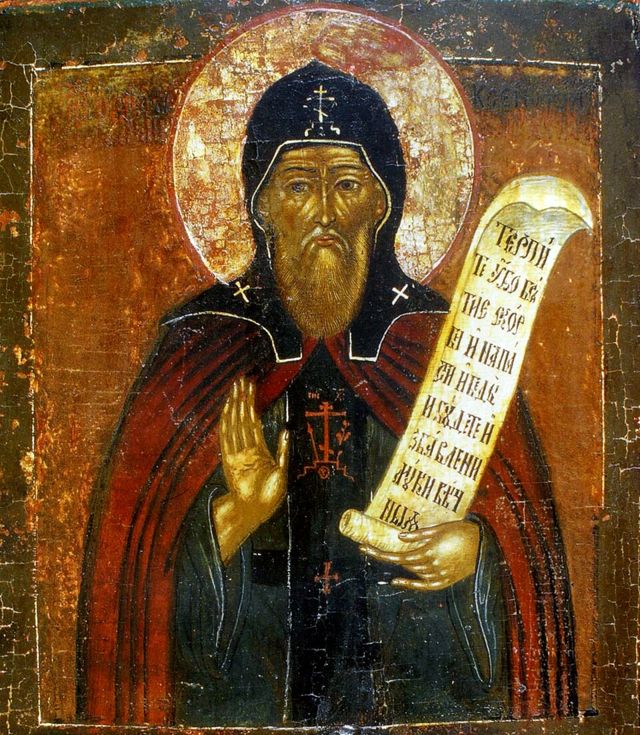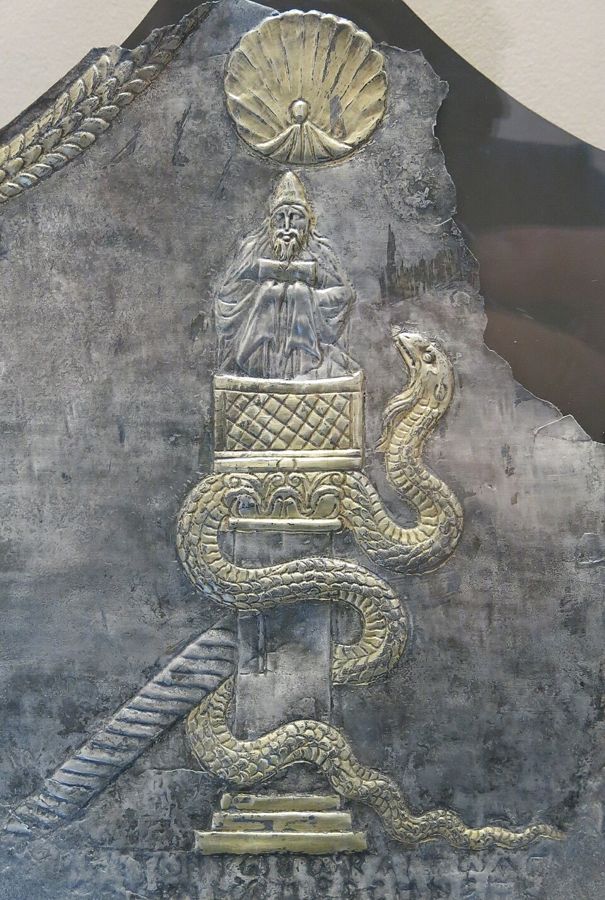
St. Simeon the Old

Simeon the Old lived alone in a cave, eating vegetables.

Read the essentials →
January 26 · Abbot

St. Simeon the Old

St. Simeon the Old

Simeon the Old lived alone in a cave, eating vegetables.

Traditional feast

January 26
1914 / pre-1969 calendar, per Baring-Gould (1914)

Current feast

September 1 (also listed: January 5, July 27)
Secondary source · Wikipedia

Represents

Abbot

Their story

Adapted in modern English from Baring-Gould (1914) · original text below

Simeon the Old lived alone in a cave, eating vegetables. Theodoret (5th-century bishop and church historian) heard from an eyewitness that when lost travellers asked the way to a fort, Simeon called two lions from the desert to guide them.

When many disciples gathered round him, he moved to Mount Amanus near Antioch and built a monastery. Later, wishing to end his days on Sinai, he set out across the desert. There he met an old hermit dressed in palm leaves who had vowed never to leave his companion; when the companion died on the way, he stayed by the grave, fed each day by a lion bringing dates. Simeon went on and founded two monasteries on Sinai, one at the summit and one at the foot.

The two hands Simeon saw raised from a cave mouth were drawn in when he approached, and he feared a trick of the devil before the hermit came out. They sang the morning office together before Simeon went on.
Early life

The book says little or nothing about early life. This is how the account begins.

Simeon the Old dwelt a life of solitude in a cave, feeding on vegetables. One day some travellers arrived at his cell, having lost their way and asked the old hermit to direct them to a certain fort for which they were bound. The hermit called two lions from the desert, and gave them to the travellers as guides.

What they represent

How they teach us to live

Drawn from themes in the original account

Make time for silence. Solitude and withdrawal to pray shape this life.

Build up the community you belong to. This life was lived with and for a community.

Read more

The full original · 294 words

Read Baring-Gould’s full account

Baring-Gould’s sources: Greek Menæa. Authority, Theodoret, in his Philotheus, c. 6.

Simeon the Old dwelt a life of solitude in a cave, feeding on vegetables. One day some travellers arrived at his cell, having lost their way and asked the old hermit to direct them to a certain fort for which they were bound. The hermit called two lions from the desert, and gave them to the travellers as guides. This incident was related to Theodoret by one who was present on the occasion. When a large number of disciples assembled under his direction, the aged Simeon went away to mount Amanus, near Antioch, and there built a monastery. But afterwards, being desirous of ending his days on Sinai, he went into the desert of that mountain. And there he saw one day two hands raised from the mouth of a cave. Thinking it might be a snare of the devil, he approached with caution. At the sound of his footsteps the supplicating hands were drawn in, and he saw no man; then he cried to the dweller of the cave to come forth, and there issued out of it an old hermit dressed in palm leaves, who said that he and a brother hermit had come to establish themselves on Sinai, and they had promised each other never to separate. Now before they reached the holy mount the brother hermit died; so the survivor buried his corpse, and, faithful to his promise, tarried by his grave till the Lord should call him; and every day a lion brought him a bunch of dates. Now when Simeon had partaken of his dates, and they had sung together the matin office, he went on, and reaching Sinai with his monks, established on the mountain two monasteries, one at the summit, and the other at the foot.

Feast days

Feast: September 1
Traditional: January 26

Nine days · Free

Pray the novena
with us.

One short email a day for nine days. The day's prayer, a line from St. Simeon the Old's story, and a nudge to keep going.

Also on January 26
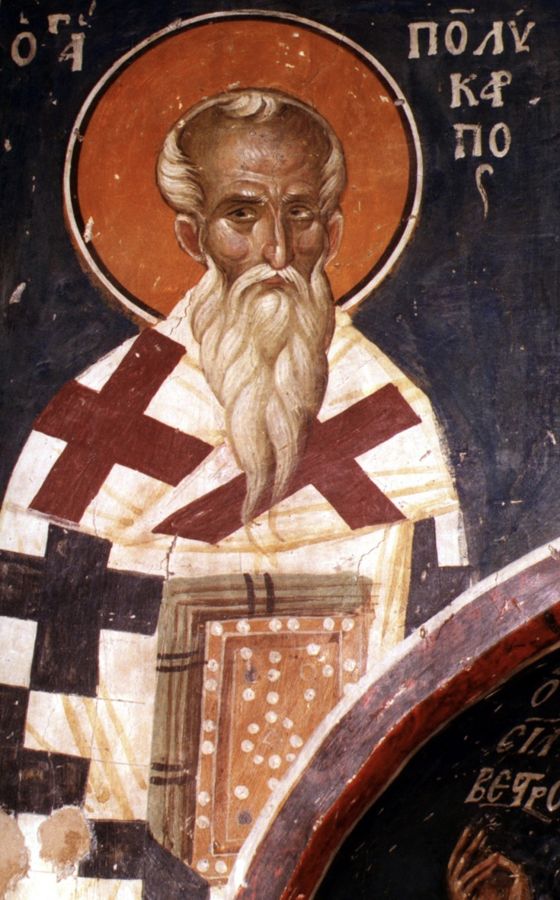
St. Polycarp of Smyrna

St. Polycarp of Smyrna

January 26 · Bishop, Martyr
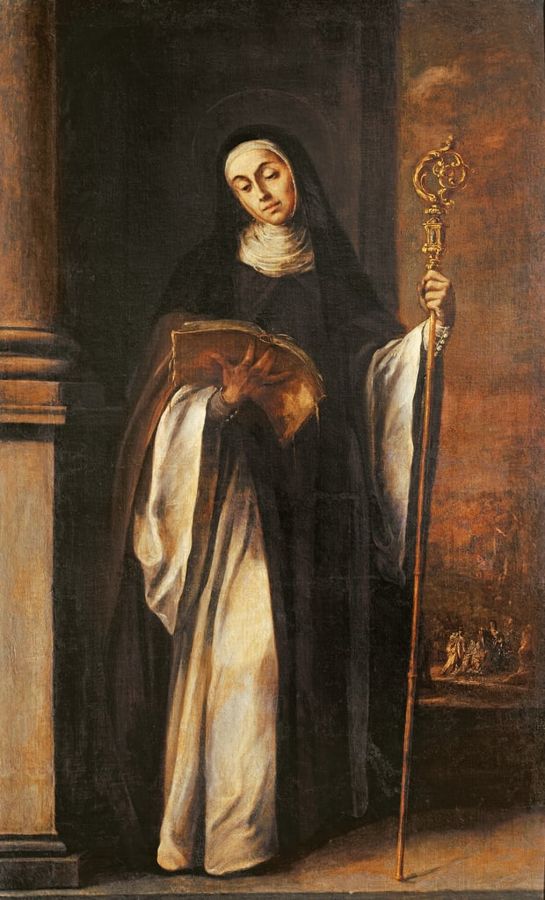
St. Paula at Bethlehem

St. Paula at Bethlehem

January 26 · Widow
St. Xenophon, His Wife and Sons

St. Xenophon

January 26 · Feast
← All 1726 saints in the library
Sources & notes

Feast-day sources

Story sources

Sources

Credits

Image: Plaque de Saint-Simeon (Louvre, Bj 2180) (cropped).jpg · Tangopaso · Public domain, via Wikimedia Commons

From Sabine Baring-Gould, The Lives of the Saints, new and revised edition (Edinburgh: John Grant, 1914; first edition 1872). Public domain.

Image: Tangopaso, Wikimedia Commons (Public domain)

From Sabine Baring-Gould, The Lives of the Saints, new and revised edition (Edinburgh: John Grant, 1914; first edition 1872). Public domain in the United States. Reproduced unedited, except for short bracketed notes in grey that we added to explain names and terms (“S.” is the old abbreviation for Saint). Some history and judgments reflect 19th-century scholarship.