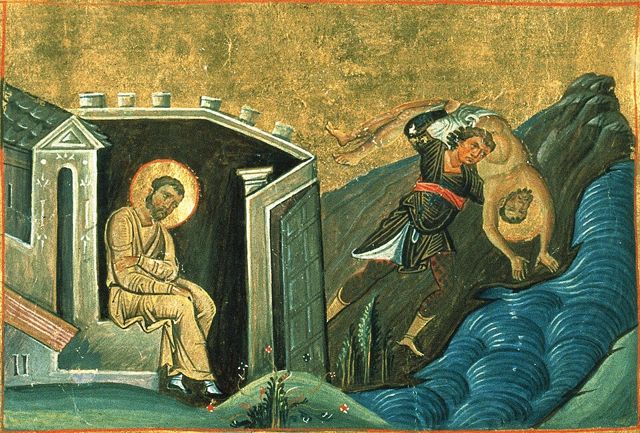
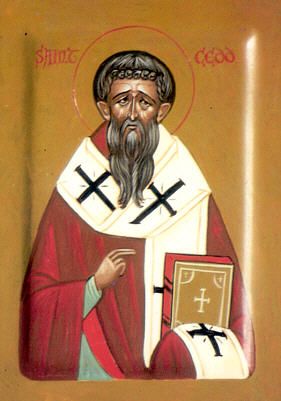
Valentine was sent by the Pope to preach the Gospel in the Passau.
Read the essentials →Valentine was sent by the Pope to preach the Gospel in the Passau.
January 7
Not verified yet
Bishop
Thin entry · the 1914 book gives only 130 words. We have not filled the gap with invented detail.
Valentine was sent by the Pope to preach the Gospel in the Passau. He found that his work was without fruit, and returned to Rome to implore the Holy Father to send him elsewhere. But the Pope consecrated him bishop, and sent him back to Passau, to preach in season and out of season, whether it produced fruit or not.
Share your faith, in words and by example. Preaching and conversion are central here.
Build up the community you belong to. This life was lived with and for a community.
Valentine was sent by the Pope to preach the Gospel in the Passau. He found that his work was without fruit, and returned to Rome to implore the Holy Father to send him elsewhere. But the Pope consecrated him bishop, and sent him back to Passau, to preach in season and out of season, whether it produced fruit or not. The Bishop renewed his efforts, but the Pagans and Arians [followers of Arius, who taught that the Son is a created being, not fully God] combined to drive him out of the city. Thereupon he went among the Rhætian Alps, and his teaching produced abundant fruit among the mountaineers. At length he resolved to serve God, and purify his own soul, in a life of retirement. He therefore built a little chapel and monastery at Mais, in Tyrol, and there he died.
Relics, at Passau.
Feast: January 7
One short email a day for nine days. The day's prayer, a line from St. Valentine of Passau's story, and a nudge to keep going.
From Sabine Baring-Gould, The Lives of the Saints, new and revised edition (Edinburgh: John Grant, 1914; first edition 1872). Public domain.
From Sabine Baring-Gould, The Lives of the Saints, new and revised edition (Edinburgh: John Grant, 1914; first edition 1872). Public domain in the United States. Reproduced unedited, except for short bracketed notes in grey that we added to explain names and terms (“S.” is the old abbreviation for Saint). Some history and judgments reflect 19th-century scholarship.