Their story
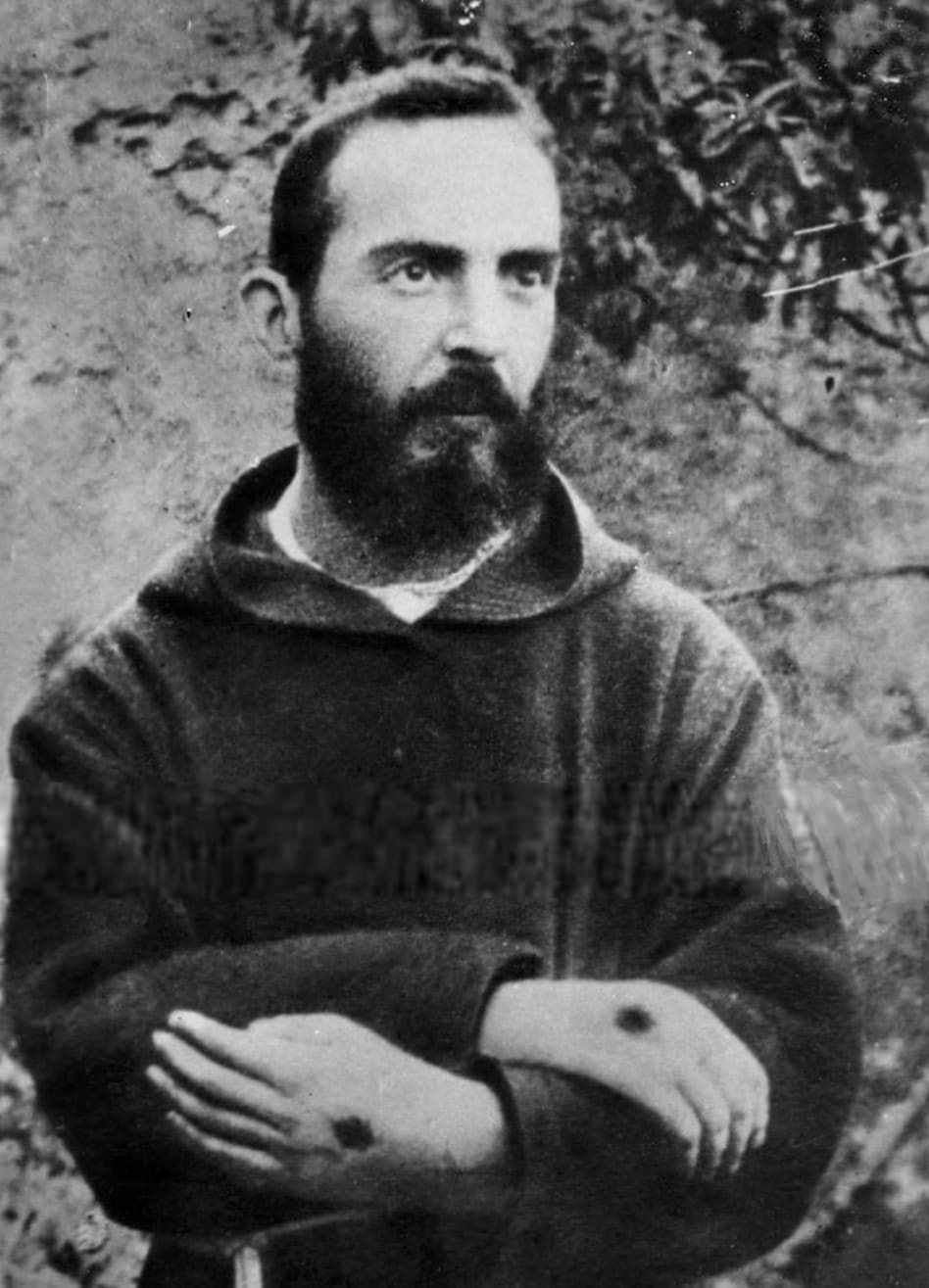
Raymund Kolbe was born on January 8, 1894, in Zduńska Wola, in Russian-ruled Poland. Around age twelve, he said, the Virgin Mary appeared to him holding two crowns, one white for purity and one red for martyrdom, and he chose both. He joined the Conventual Franciscans (the order of friars founded by St. Francis of Assisi), took the name Maximilian, earned doctorates in Rome, and was ordained in 1918.
In 1917 he founded the Militia Immaculatae, a movement of consecration to Mary. In 1927 he founded Niepokalanów, a friary near Warsaw that grew into one of the largest religious houses in the world. It ran presses and a radio station, and its magazine Knight of the Immaculata reached hundreds of thousands of readers. He also spent years as a missionary in Japan, founding a friary in Nagasaki.
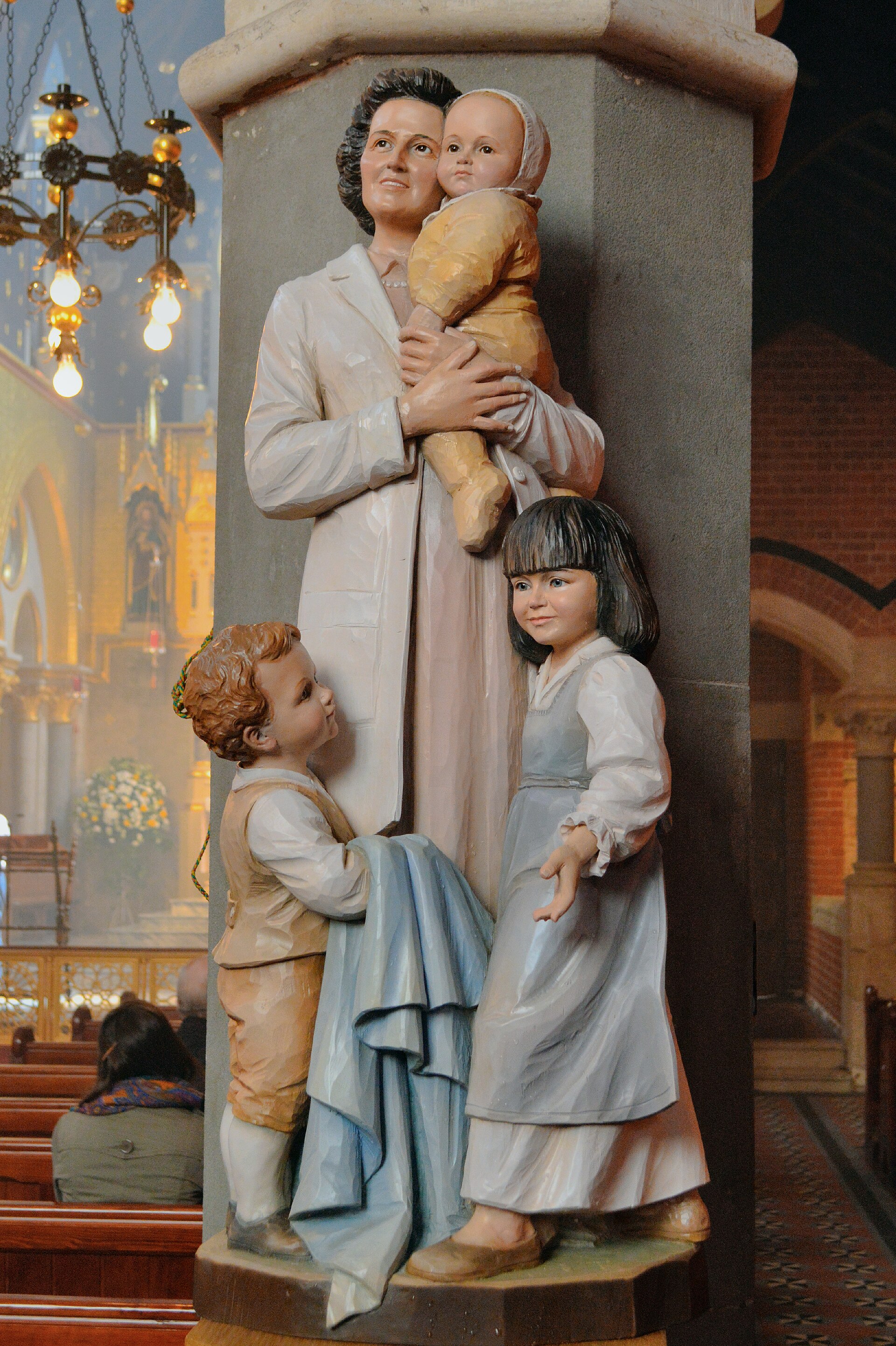
The Nazis arrested him in 1941 and sent him to Auschwitz as prisoner 16670. In July, after a prisoner escaped, the commander chose ten men to die by starvation. One of them, Franciszek Gajowniczek, cried out for his wife and children. Kolbe stepped forward and offered to take his place. He led the condemned men in prayer and song in the bunker. After two weeks he was still alive, and on August 14, 1941, he was killed by lethal injection. Gajowniczek survived the war and attended Kolbe's canonization in 1982. People follow Kolbe because, in the worst place on earth, he chose love for a stranger.