St. Sebastian

The soldier who would not quit

Pray the novena →

St. Sebastian

St. Sebastian

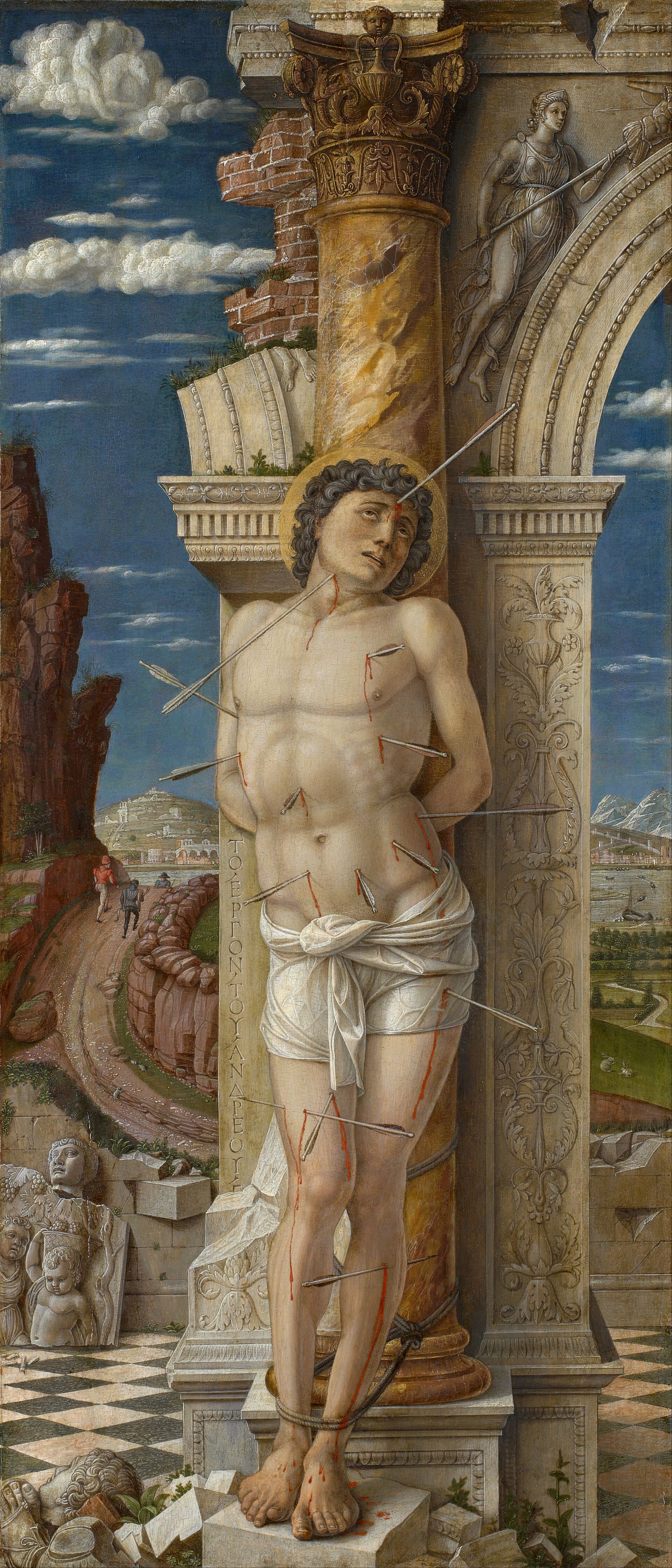
Sebastian is the saint in all those paintings, tied to a post and shot with arrows. According to tradition, he survived, went back to confront the emperor, and was killed for it. Athletes claim him for his endurance.

Feast day

January 20
martyr

Patron of

Athletes
Soldiers
Plague sufferers

Their story

Sebastian was a Roman martyr buried on the Appian Way, where the basilica of San Sebastiano now stands. His burial there and his January 20 feast are listed in the Depositio Martyrum (a Roman list of martyrs' burial days, compiled in 354) of 354, which makes him historically real. Almost everything else comes from a 5th-century account, his Passio (an account of a martyr's sufferings), which is more legend than record.

According to that account, he was an officer in the imperial guard under Diocletian (Roman emperor 284–305, who launched the last and fiercest persecution of Christians in 303) who secretly strengthened Christians in prison. It says he encouraged the brothers Marcus and Marcellian to stay firm. When he was exposed, the emperor had him tied to a post and shot with arrows. He was left for dead, but a widow named Irene came to bury him and found him alive, and nursed him back to health. He then confronted the emperor again and was clubbed to death.

Because the arrow scene is so striking, Renaissance painters made him one of the most painted saints in history. People follow Sebastian because, in the story, he had a second chance to hide and stay safe, and instead went back to bear witness.
Why they’re the patron of…

  • Plague sufferers ·
    Plague was imagined as arrows sent from heaven, and Sebastian survived arrows. Paul the Deacon reports that a plague in Pavia in 680 ended after an altar to him was built. This devotion is historical; its basis is symbolic.
  • Soldiers ·
    His Passio makes him an officer of the guard.
  • Athletes ·
    A modern association based on his endurance and the athletic way artists depicted him.

The short version

Sebastian was an early Christian martyr in Rome, venerated since at least the 4th century; his feast on January 20 appears in the Chronograph of 354. According to his later legend, he was an officer in the imperial guard under Diocletian, was shot with arrows, survived, and was then beaten to death.

Three things you might not know

His feast appears in the Chronograph of 354, one of the oldest Roman calendars.

He is a patron of athletes because of his endurance.

He was invoked against plague in the Middle Ages.

The novena

Nine days · one intention

A novena is nine days of prayer for one intention, modeled on the nine days the apostles and Mary prayed between the Ascension and Pentecost (Acts 1–2). Pray this each day:

Nine days · Free

Pray the novena
with us.

One short email a day for nine days. The day's prayer, a line from St. Sebastian's story, and a nudge to keep going.

Your Confirmation saint?

Choose St. Sebastian if…

  • you play sports
  • you have endurance and do not quit
  • you would stand by your faith under pressure

Take the saint finder →  Need a sponsor?

Wear their medal

[Affiliate placeholder: Catholic Company St. Sebastian medal]

Also walking with you
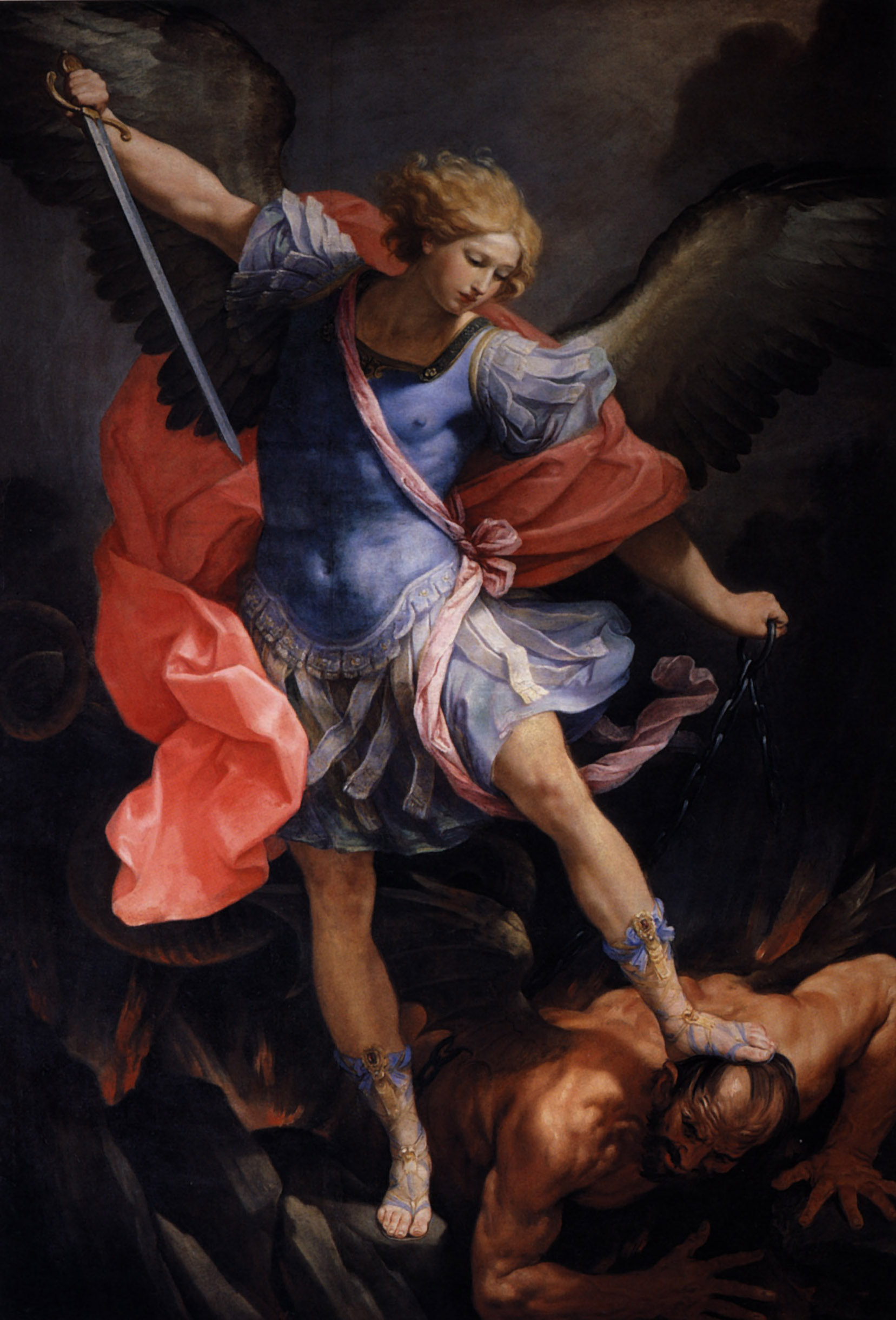
St. Michael the Archangel

St. Michael

Feast · September 29 — Defender against evil
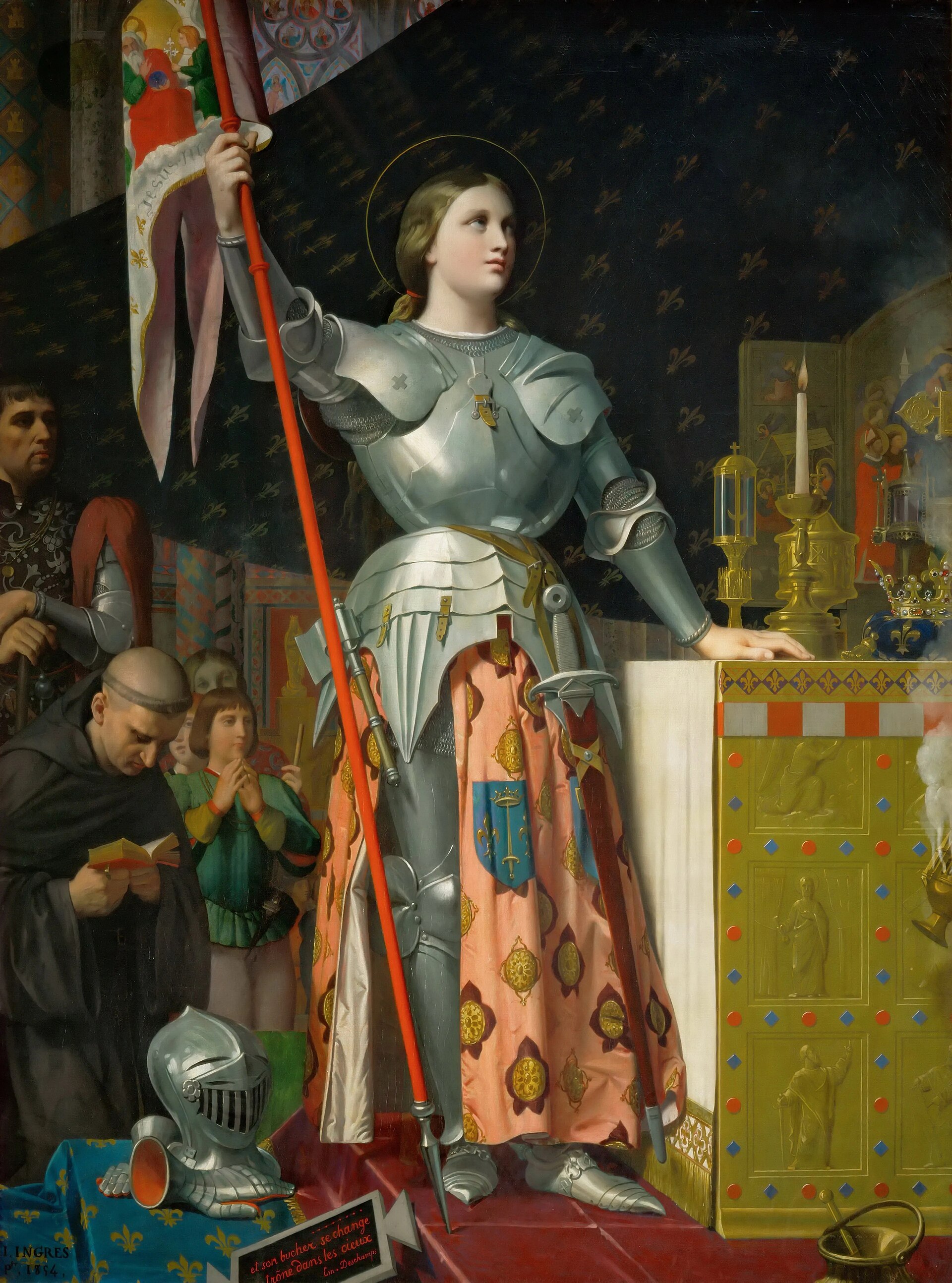
St. Joan of Arc

St. Joan

Feast · May 30 — The teenager who led an army
St. Jude Thaddeus

St. Jude

Feast · October 28 — Patron of hopeless causes
Sources & notes

Story sources

Sources

Credits

Image: Andrea Mantegna, Wikimedia Commons (Public domain)

We only print prayer texts we can trace to a public-domain printed source, and we have not verified one for St. Sebastian yet. Until we do: for nine days, pray an Our Father, a Hail Mary and a Glory Be, then add your intention and “St. Sebastian, pray for us.”

Notes

Story retold in our own words from the cited sources.