Sts. Julian, Chronion and Besas

Dionysius, Bishop of Alexandria, described these martyrs in a letter about the persecution under Decius.

Read the essentials →
February 27 · Martyrs

Sts. Julian

Sts. Julian, Chronion and Besas

Dionysius, Bishop of Alexandria, described these martyrs in a letter about the persecution under Decius.

Traditional feast

February 27
1914 / pre-1969 calendar, per Baring-Gould (1897)

Current feast

Not verified yet

Represents

Martyrs

Their story

Adapted in modern English from Baring-Gould (1897) · original text below

Dionysius, Bishop of Alexandria, described these martyrs in a letter about the persecution under Decius. After lamenting those who gave up the faith, he wrote that others stood firm as 'blessed pillars of the Lord'.

The first was Julian, an old man so crippled by gout that he could neither walk nor stand. He was brought to trial carried by two men. One of them denied his faith immediately. The other, Chronion, surnamed Eunus, confessed the Lord together with Julian. The two were carried on camels through the whole of that very large city and scourged, and finally burned in a huge fire before a crowd of spectators.

A soldier named Besas, standing nearby, stood up to the crowd's insults as the martyrs were led to execution. The mob turned on him with shouts, and, as Dionysius wrote, this brave soldier of God, having excelled in the great conflict of piety, was beheaded.

Early life

The book says little or nothing about early life. This is how the account begins.

Thin entry · the 1897 book gives only 195 words. We have not filled the gap with invented detail.

SAINT DIONYSIUS, bishop of Alexandria, in a letter describing the sufferings of his church during the persecutions of Decius, after having lamented the apostacy of some, adds: "But others remained firm and blessed pillars of the Lord, confirmed by the Lord himself, and receiving of Him strength suited to their measure of faith, proved admirable witnesses of His kingdom. The first of these was Julian, a man afflicted with the gout, neither able to walk nor to stand, who, with two others that carried him, was arraigned. Of these, the one immediately denied his faith, but the other, named Chronion, surnamed Eunus, and the aged Julian himself, having confessed the Lord, were carried on camels through the whole city, a very large one, as you know, and were scourged, and finally consumed in an immense fire, in the midst of a crowd of spectators.

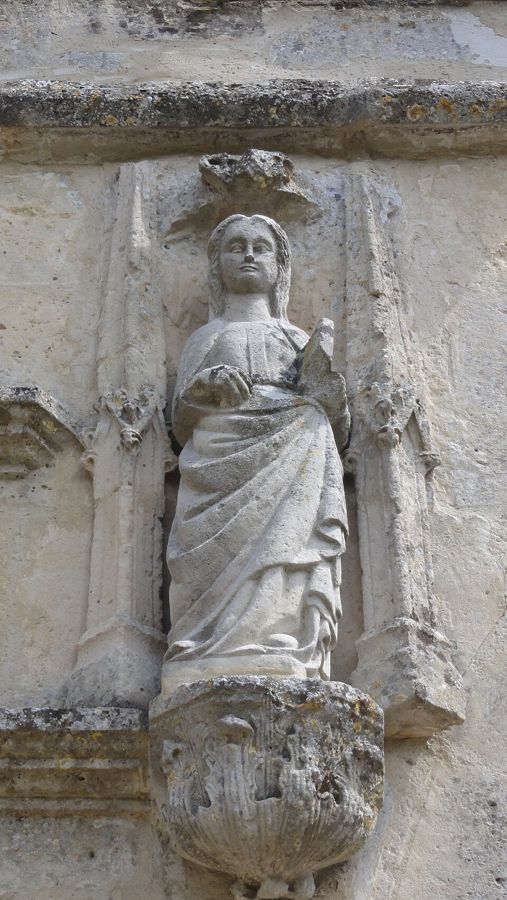
What they represent

How they teach us to live

Drawn from themes in the original account

Stay faithful when it costs you. This account is about holding firm under pressure.

Keep their day. Remember them on February 27 with a short prayer, and ask for their help.

Read more

The full original · 195 words

Read Baring-Gould’s full account

Baring-Gould’s sources: Roman Martyrology; but some on Feb. 19th; by the Greeks on Oct. 30th. Authority:—The contemporary letters by Dionysius, B. of Alexandria, to Germanus, quoted by Eusebius, Hist. Eccles. vi., c. 41.

SAINT DIONYSIUS, bishop of Alexandria, in a letter describing the sufferings of his church during the persecutions of Decius [Roman emperor 249–251, who ordered everyone to sacrifice to the gods], after having lamented the apostacy of some, adds: "But others remained firm and blessed pillars of the Lord, confirmed by the Lord himself, and receiving of Him strength suited to their measure of faith, proved admirable witnesses of His kingdom. The first of these was Julian, a man afflicted with the gout, neither able to walk nor to stand, who, with two others that carried him, was arraigned. Of these, the one immediately denied his faith, but the other, named Chronion, surnamed Eunus, and the aged Julian himself, having confessed the Lord, were carried on camels through the whole city, a very large one, as you know, and were scourged, and finally consumed in an immense fire, in the midst of a crowd of spectators. But a soldier, named Besas, standing near, having opposed the insolence of the multitude whilst these martyrs were on the way to execution, was assailed by them with loud shouts, and this brave soldier of God, after he had excelled in the great conflict of piety, was beheaded."
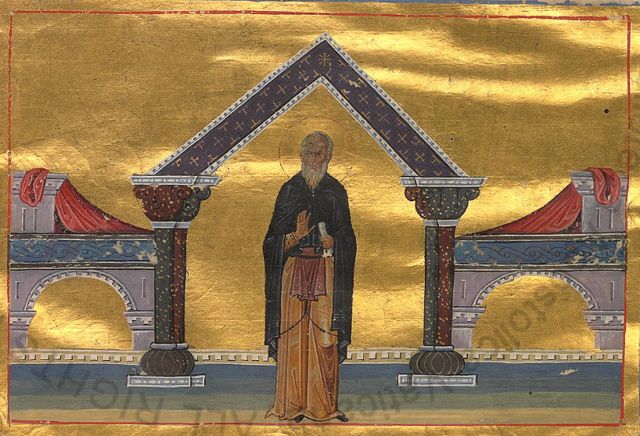
Relics at Autun.

Feast days

Feast: February 27

Nine days · Free

Pray the novena
with us.

One short email a day for nine days. The day's prayer, a line from Sts. Julian's story, and a nudge to keep going.

Also on February 27
G

St. Gelasius

February 27 · Martyr
St. Honorina

St. Honorina

February 27 · Virgin, Martyr
St. Thalelæus

St. Thalelæus

February 27 · Hermit
← All 1726 saints in the library
Sources & notes

Feast-day sources

Story sources

Sources

Credits

Image: Julian Glover 2014.jpg · Patrick Subotkiewiez · CC BY 2.0, via Wikimedia Commons

From Sabine Baring-Gould, The Lives of the Saints, new edition in 16 vols. (London: John C. Nimmo, 1897), digitized text from Project Gutenberg. Public domain.

Image: Patrick Subotkiewiez, Wikimedia Commons (CC BY 2.0)

From Sabine Baring-Gould, The Lives of the Saints, new edition in 16 vols. (London: John C. Nimmo, 1897), digitized text from Project Gutenberg. Public domain in the United States. Reproduced unedited, except for short bracketed notes in grey that we added to explain names and terms (“S.” is the old abbreviation for Saint). Some history and judgments reflect 19th-century scholarship.