F
St. Flavia Domitilla
D
St. Domitian of…
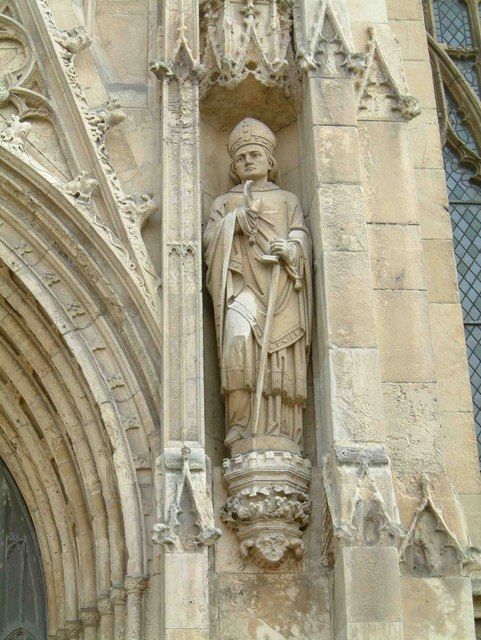
La right in the election of the pontiff, similar to the privilege of the Prsetorian Guard in the election of the emperor), the pope might at once proceed to his coronation.
Read the essentials →La right in the election of the pontiff, similar to the privilege of the Prsetorian Guard in the election of the emperor), the pope might at once proceed to his coronation.
May 7
May 7
Feast
Thin entry · the 1897 book gives only 121 words. We have not filled the gap with invented detail.
Benedict was a Roman by birth, and from his earliest infancy had exhibited every mark of piety.
Keep their day. Remember them on May 7 with a short prayer, and ask for their help.
La right in the election of the pontiff, similar to the privilege of the Prsetorian Guard in the election of the emperor), the pope might at once proceed to his coronation. Benedict was a Roman by birth, and from his earliest infancy had exhibited every mark of piety. He reigned only nine months; but in his brief reign he found time to adorn and enrich several of the churches of Rome. Constantine, as a mark of especial favour, cut locks off the hair of his two sons, Justinian [Byzantine emperor 527–565] and Heraclius, and sent them to the pope, who went forth in solemn procession with his clergy and all the troops in Rome to receive, with becoming gravity and respect, the august donation.
Feast: May 7
One short email a day for nine days. The day's prayer, a line from St. Benedict II.'s story, and a nudge to keep going.
From Sabine Baring-Gould, The Lives of the Saints, new edition in 16 vols. (London: John C. Nimmo, 1897–98); text from the Internet Archive scan (OCR, lightly cleaned; errors possible). Public domain.
From Sabine Baring-Gould, The Lives of the Saints, new edition in 16 vols. (London: John C. Nimmo, 1897–98); text from the Internet Archive scan (OCR, lightly cleaned; errors possible). Public domain in the United States. Reproduced unedited, except for short bracketed notes in grey that we added to explain names and terms (“S.” is the old abbreviation for Saint). Some history and judgments reflect 19th-century scholarship.