St. Gerlach

Leaving everything to pray, yet still drawing people who needed wisdom.

Read the essentials →
January 5 · Hermit

St. Gerlach

St. Gerlach

Leaving everything to pray, yet still drawing people who needed wisdom.

Traditional feast

January 5
1914 / pre-1969 calendar, per Baring-Gould (1914)

Current feast

January 5
Secondary source · Wikipedia

Represents

Hermit

Their story

Adapted in modern English from Baring-Gould (1914) · original text below

Gerlach was a knight of noble family near Maastricht who lived a rather wild life. One day, as he was about to ride in a tournament, he heard that his wife, whom he loved passionately, had suddenly died. He threw down lance and shield, hurried home, and in his grief resolved to leave the world.

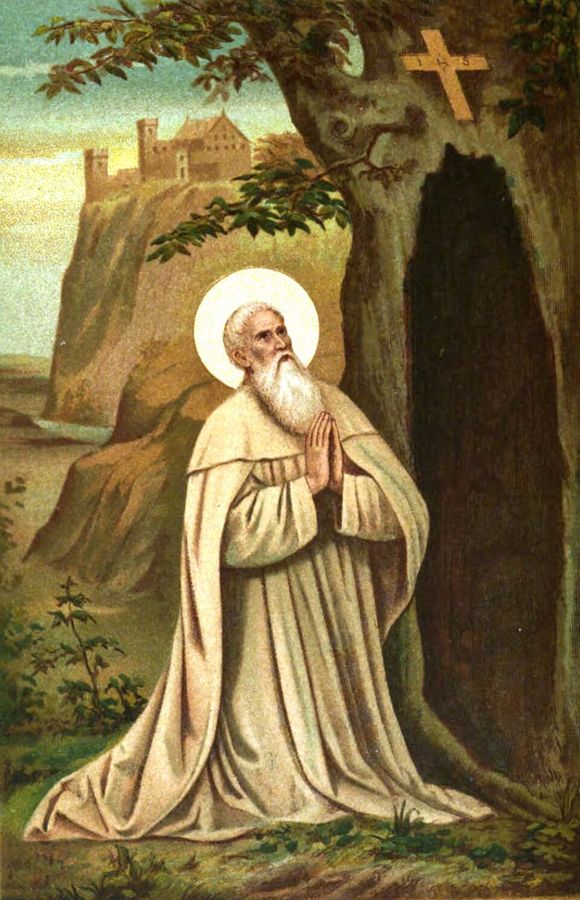
In Rome he confessed his sins to Pope Eugenius III, who sent him as a penance to Jerusalem to nurse the sick in its hospitals for seven years. When he returned, Adrian IV was pope and told him to live in retirement. Gerlach went home, gave his possessions to the poor, keeping only enough to live on, and made his home in a hollow oak. Jealous neighbors told the bishop of Liège that he was worshipping the tree, and the bishop had it cut down, but afterwards recognized his holiness and protected him. Gerlach wore sackcloth under a battered coat of mail and spent his nights praying in the church of St. Servatius at Maastricht. He died around 1165.

Struggles & surrender

What they wrestled with, and how they gave it to God

  • Grief and a wild past · Tradition
    Baring-Gould's account says this worldly knight was about to ride in a tournament when he learned his beloved wife had died. He threw down lance and shield, confessed to Pope Eugenius III, and spent seven years nursing the sick in Jerusalem as penance, then lived as a hermit in a hollow oak.

Early life

Selected sentences from the original account, unaltered.

Saint Gerlach sprang from a noble family, in the neighbourhood of Maestricht.

What they represent

How they teach us to live

Drawn from themes in the original account

Look after people who are sick or suffering. The sick come up again and again in this story.

Learn from the kind of life it was. Leaving everything to pray, yet still drawing people who needed wisdom.

Read more

The full original · 315 words

Read Baring-Gould’s full account

Baring-Gould’s sources: Mentioned in the Cologne, German, and Gallo-Belgic Martyrologies. Two lives of this Saint exist, one written during the life of those who remembered him, and were able to describe his personal appearance; the other written by Wilhelm Cripius, son of the Chancellor of Gueldres, by command of the bishop, Henry Cuyck, of Rœrmund.

Saint Gerlach sprang from a noble family, in the neighbourhood of Maestricht. He was a knight, and lived a somewhat disorderly life; but one day, as he was about to engage in a tournament, the news reached him of the sudden death of his wife, whom he loved passionately. Casting aside lance and shield, he hastened to his castle, and in grief over her loss, formed the resolution of renouncing the world. He visited Rome, and confessed the sins of his life to Pope Eugenius III., who bade him, as a penance, go to Jerusalem, and for seven years nurse the sick in its hospitals. He obeyed, and on his return to Rome, at the expiration of seven years, found Adrian IV. on the throne. Adrian bade him live a retired life. Accordingly, Gerlach returned to his estates, and distributed all his possessions among the poor, reserving for himself only sufficient for his support. He then took up his abode in a hollow oak; but some envious persons having complained to the Bishop of Liege that he offered idolatrous worship to the tree, the bishop ordered it to be cut down; but afterwards, recognizing the virtue of the penitent knight, he became his protector. He wore sack-cloth next his skin, and over that a battered suit of mail. He spent his nights in prayer, in the church of S. Servais, Maestricht.

FOOTNOTES:

[30] Hist., lib. iv. c. 10.

The Epiphany.

S. Melchior , one of the Magi . S. Macra , V. M., near Rheims, circ. a.d. 303. S. Melanius , B. of Rennes , a.d. 580. S. Peter , Ab. of Canterbury , a.d. 608. S. Erminold , Ab. of Prufening, and M. , a.d. 1121. The Ven. Gertrude Van Oosten , V., at Delft , a.d. 1358. S. John Ribeira , Patr. of Antioch, and Abp. of Valencia, in Spain , a.d. 1611.
Feast days

Feast: January 5

Nine days · Free

Pray the novena
with us.

One short email a day for nine days. The day's prayer, a line from St. Gerlach's story, and a nudge to keep going.

Also on January 5
St. Telesphorus, Pope

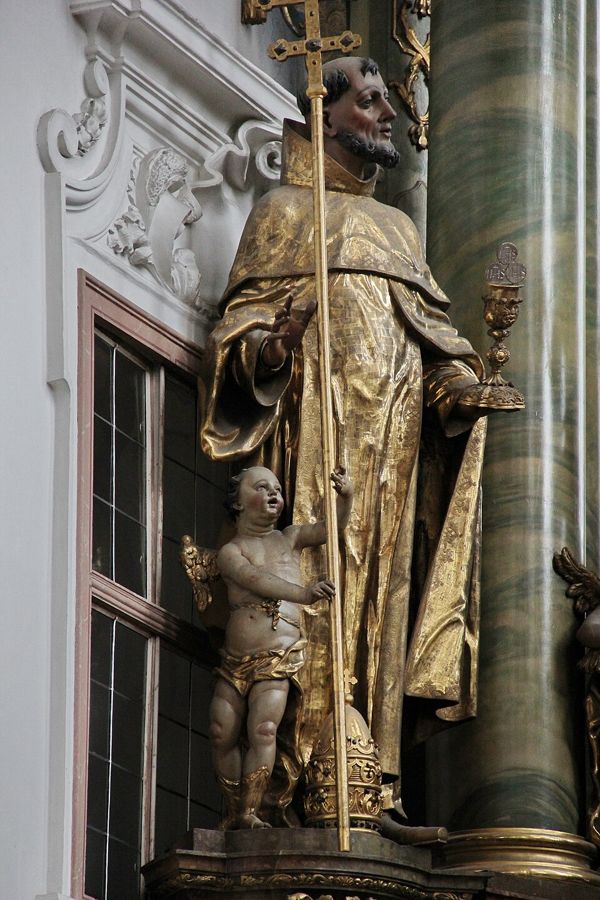
St. Telesphorus

January 5 · Martyr
M

The Martyrs in the…

January 5 · Feast
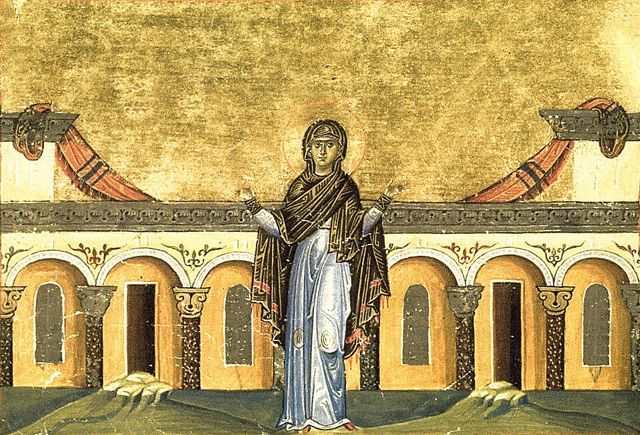
St. Syncletica

St. Syncletica

January 5 · Virgin
← All 1726 saints in the library
Sources & notes

Feast-day sources

Story sources

Sources

Credits

Image: De H. Gerlacus.jpg · ER (Ed. Rahms?) · Public domain, via Wikimedia Commons

From Sabine Baring-Gould, The Lives of the Saints, new and revised edition (Edinburgh: John Grant, 1914; first edition 1872). Public domain.

Image: ER (Ed. Rahms?), Wikimedia Commons (Public domain)

From Sabine Baring-Gould, The Lives of the Saints, new and revised edition (Edinburgh: John Grant, 1914; first edition 1872). Public domain in the United States. Reproduced unedited, except for short bracketed notes in grey that we added to explain names and terms (“S.” is the old abbreviation for Saint). Some history and judgments reflect 19th-century scholarship.