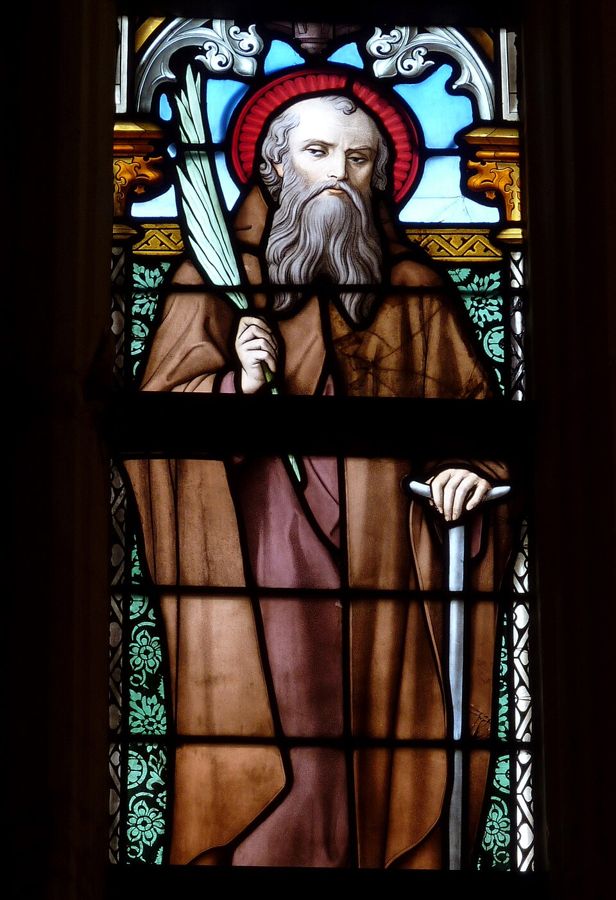
St. Helier

Faithfulness to Christ when it cost everything.

Read the essentials →
July 10 · Martyr

St. Helier

St. Helier

Faithfulness to Christ when it cost everything.

Traditional feast

July 10
1914 / pre-1969 calendar, per Baring-Gould (1897)

Current feast

July 16
Secondary source · Wikipedia

Represents

Martyr

Their story

Adapted in modern English from Baring-Gould (1897–98) · original text below

Sigebard, a heathen noble of Tongern in what is now Belgium, and his Swabian wife Lusegarde had been childless for seven years. A Christian priest nearby named Cunibert promised them a son if they would give him the child to raise as a Christian. They gladly agreed, but when the boy was born they refused to hand him over to the rough hermit-priest. When the child fell dangerously ill, Sigebard took fright and reluctantly gave him to the priest, who named him Helier.

Helier grew up under Cunibert, learned his letters and some psalms by heart, and the two came to love each other. Sigebard hated seeing his heir living like a monk on roots and water, learning the psalter instead of the boar-spear. In rough pagan fashion he decided the way to separate pupil and tutor was to kill the tutor. The murder was done one night while the old man was reciting his psalter. Helier, woken by the noise, ran into the church and found his teacher dead, his bloody finger resting on the last line he had sung: 'When shall I come to appear before the presence of God?'

Horrified, Helier fled home to the land of the Morini and spent some years fasting and praying at Therouanne. Then he went to St Markulf, who advised him to settle in Jersey. There he lived in a cave in the rock in the middle of the bay that still bears his name, now crowned by a castle, and slept on the bare stone for a few years. Pirates landed on the island and found his hiding place from the screaming of the gulls around the cave mouth, and one of them struck off his head. A companion who had hidden laid the body in a boat once the pirates had sailed and let the winds carry him away, and the body was buried where he came ashore.
Struggles & surrender

What they wrestled with, and how they gave it to God

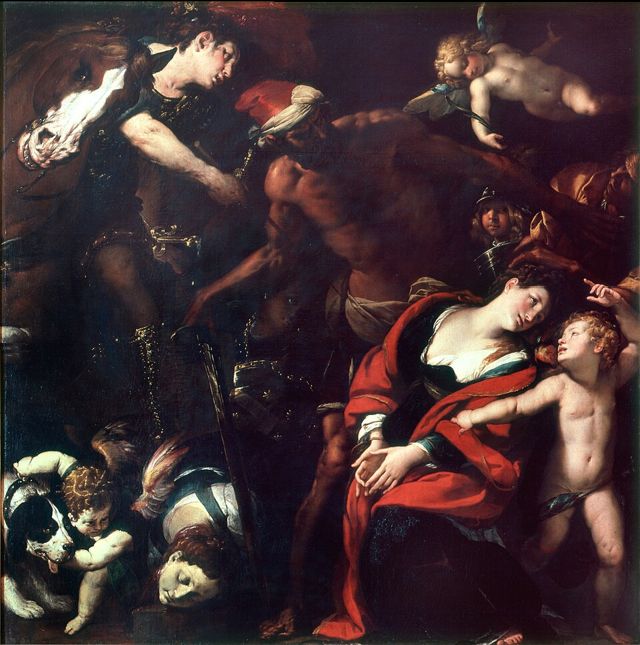
  • Fleeing a father's crime ·
    Helier's pagan father had his beloved teacher Cunibert murdered to draw the boy away from the Christian life. Horrified, Helier fled his home and spent years in fasting and prayer before settling as a hermit on Jersey.

Early life

Selected sentences from the original account, unaltered.

A Christian priest, living near, named Cunibert, then promised them a son, if they would give the child to him after it was born, to be by him educated in a Christian life. They gladly consented; but when in due course a son was born to them, they refused to surrender the little boy to the rough hermit-priest.

What they represent

How they teach us to live

Drawn from themes in the original account

Learn from the kind of life it was. Faithfulness to Christ when it cost everything.

Keep their day. Remember them on July 10 with a short prayer, and ask for their help.

Read more

The full original · 431 words

Read Baring-Gould’s full account

Baring-Gould’s sources: Venerated in Jersey, and in the dioceses of Coutances and Rennes. Saus s aye in his Gallican Martyrology. Authority: — The Acts of the Saint written after the gth cent.],.

Sigebard, a heathen noble living at Tongern, in the modern kingdom of Belgium, was married to a Swabian lady named Lusegarde, and for seven years they were childless. A Christian priest, living near, named Cunibert, then promised them a son, if they would give the child to him after it was born, to be by him educated in a Christian life. They gladly consented; but when in due course a son was born to them, they refused to surrender the little boy to the rough hermit-priest. A sickness which threatened the child’s life alarmed Sigebard, and he reluctantly gave the little boy into the arms of the priest. The child was named by him Helier, but was not baptized.

Helier grew up under the tuition of Cunibert, learnt the alphabet, and acquired some of the psalms by heart. The lessons of the venerable man sank deep into his soul; and a mutual love attached them to each other. But Sigebard was ill-pleased to see his son and heir living like a monk on roots and water, and instead of learning to use the boar-spear, acquire a knowledge of the psalter. And in rude pagan fashion, he thought that the best way to break the connexion between the tutor and his pupil would be to kill the former. The deed was done one night, whilst the old man was reciting his psalter, and when Helier, alarmed by the noise, rushed into the church, he found his friend and tutor dead, with his bloody finger resting on the last line he had sung, “ When shall I come to appear before the presence of God ?”

Helier, horrified at this murder, fled from home, and went to the land of the Morini, and coming to Therouanne, spent some years in fasting and prayer. After which he went to S. Markulf, who advised him to settle in Jersey. He accordingly went to that island, and took up his abode in a cave in the rock that rises in the midst of the bay which still bears his name, and is now crowned with a castle. There he spent a few years, sleeping on the bare rock. Some pirates landed in the island, and discovered his retreat by the screaming of the sea-gulls round the mouth of the cave. One of them smote off his head.

A companion, who had managed to secrete himself, when the pirates had sailed away, laid the body in a boat, and committing himself to the winds and waves, was carried to Hexvarde; and the body was laid at Stonenarlevse.

Feast days

Feast: July 16
Traditional: July 10

Nine days · Free

Pray the novena
with us.

One short email a day for nine days. The day's prayer, a line from St. Helier's story, and a nudge to keep going.

Also on July 10
Sts. Rufina and Secunda

Sts. Rufina and Secunda

July 10 · Widow, Martyrs
X

Sts. Xlv. Martyrs of…

July 10 · Feast
E

St. Etto

July 10 · Bishop, Confessor
← All 1727 saints in the library
Sources & notes

Feast-day sources

Story sources

Sources

Credits

Image: Saint Helier Liebfrauenbasilika in Tongeren.jpg · GFreihalter · CC BY-SA 3.0, via Wikimedia Commons

From Sabine Baring-Gould, The Lives of the Saints, new edition in 16 vols. (London: John C. Nimmo, 1897–98); text from the Internet Archive scan (OCR, lightly cleaned; errors possible). Public domain.

Image: GFreihalter, Wikimedia Commons (CC BY-SA 3.0)

From Sabine Baring-Gould, The Lives of the Saints, new edition in 16 vols. (London: John C. Nimmo, 1897–98); text from the Internet Archive scan (OCR, lightly cleaned; errors possible). Public domain in the United States. Reproduced unedited, except for short bracketed notes in grey that we added to explain names and terms (“S.” is the old abbreviation for Saint). Some history and judgments reflect 19th-century scholarship.