C
The Conversion of S. Paul
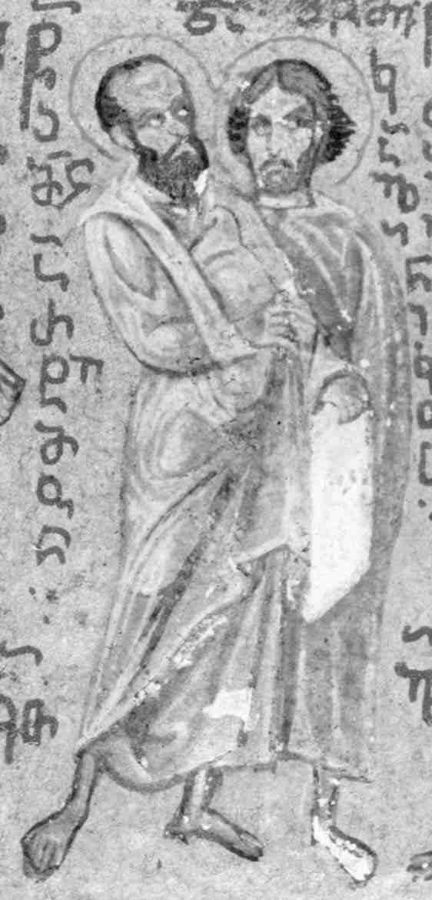
St. Artemas
J
Building a community where people could actually live the Gospel.
Read the essentials →Building a community where people could actually live the Gospel.
January 25
Not verified yet
Abbot
Thin entry · the 1914 book gives only 155 words. We have not filled the gap with invented detail.
S. Mares spent thirty-seven years in a small damp cell, constant in prayer. Theodoret says that towards his end, "I went to his door, and he bade me open. He was aged ninety, and wore common goat's hair garments.
Pray a little every day. Prayer runs all through this account.
Learn from the kind of life it was. Building a community where people could actually live the Gospel.
S. Mares spent thirty-seven years in a small damp cell, constant in prayer. Theodoret says that towards his end, "I went to his door, and he bade me open. He was aged ninety, and wore common goat's hair garments. All his food was bread and salt. As, for long, he had desired to see the Holy Sacrifice offered, but was not able, he asked that the oblation of the Divine Gift might be made there. I willingly obeyed, and having ordered the sacred vessels to be brought from the village, and using for an altar the hands of the deacons, I offered the mystic, divine, and salutary Sacrifice. But he was filled with all spiritual delight, and thought that he saw heaven, and declared he had never had such joy. I was greatly pleased with him, and I should be doing him and myself a wrong, if after his death I did not praise him."
Feast: January 25
One short email a day for nine days. The day's prayer, a line from St. Mares in Syria's story, and a nudge to keep going.
From Sabine Baring-Gould, The Lives of the Saints, new and revised edition (Edinburgh: John Grant, 1914; first edition 1872). Public domain.
From Sabine Baring-Gould, The Lives of the Saints, new and revised edition (Edinburgh: John Grant, 1914; first edition 1872). Public domain in the United States. Reproduced unedited, except for short bracketed notes in grey that we added to explain names and terms (“S.” is the old abbreviation for Saint). Some history and judgments reflect 19th-century scholarship.