Their story
Adapted in modern English from Alban Butler's Lives of the Saints · Baring-Gould original below · little is known
Phocas lived near the gate of Sinope in Pontus by working a garden, which supported him and let him give generously to the poor. Butler's sources are panegyrics by St. Asterius and St. Chrysostom.
His relics were divided among many churches. Asterius, bishop of Amasea about 400, praised him on his feast, and the emperor Phocas later built a great church in his honour at Constantinople. Butler and Baring-Gould agree on 303.
Early life
The book says little or nothing about early life. This is how the account begins.
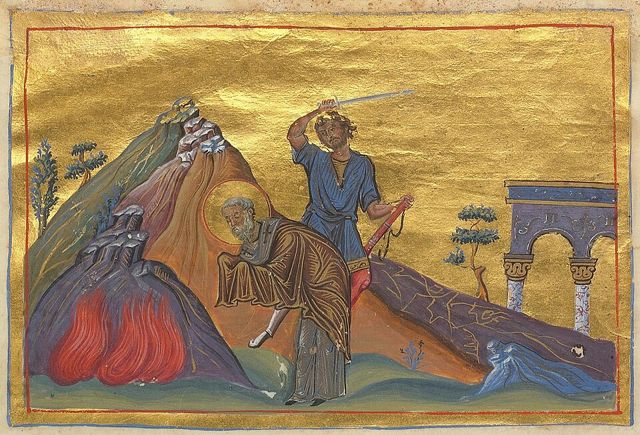
In a persecution, probably that of Diocletian, he was impeached as a Christian; and executioners were sent to despatch him. These men before entering Sinope stopped to rest at his house. He courteously entertained them, and then when they had supped told them that he knew the man they were sent to kill, and that he would deliver him into their hands on the morrow.
How they teach us to live
Drawn from themes in the original account
Welcome guests and strangers. Hospitality shows up in this account.
Stay faithful when it costs you. This account is about holding firm under pressure.
Make time for silence. Solitude and withdrawal to pray shape this life.