T
Sts. Twelve Brothers
F
St. Firminus of Amiens
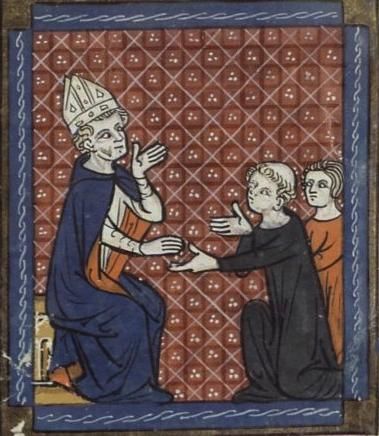
Faithfulness to Christ when it cost everything.
September 1
Not verified yet
Martyr
Thin entry · the 1897 book gives only 0 words. We have not filled the gap with invented detail.
Learn from the kind of life it was. Faithfulness to Christ when it cost everything.
Keep their day. Remember them on September 1 with a short prayer, and ask for their help.
Feast: September 1
One short email a day for nine days. The day's prayer, a line from St. Priscus's story, and a nudge to keep going.
From Sabine Baring-Gould, The Lives of the Saints, new edition in 16 vols. (London: John C. Nimmo, 1897–98); text from the Internet Archive scan (OCR, lightly cleaned; errors possible). Public domain.
From Sabine Baring-Gould, The Lives of the Saints, new edition in 16 vols. (London: John C. Nimmo, 1897–98); text from the Internet Archive scan (OCR, lightly cleaned; errors possible). Public domain in the United States. Reproduced unedited, except for short bracketed notes in grey that we added to explain names and terms (“S.” is the old abbreviation for Saint). Some history and judgments reflect 19th-century scholarship.