On her return, laden with relics, she was received everywhere with admiration and respect.
Read the essentials →On her return, laden with relics, she was received everywhere with admiration and respect.
July 10
Not verified yet
Virgin
Martyr
On her return, laden with relics, she was received everywhere with admiration and respect. She distributed the relics in all directions, and then settled down by the church of Saintes, near Hal, in Hainault, with a sub-deacon, Grimoald, and a servant, named Gundulf. The Huns at this time made their terrible invasion of Germany, and their advanced posts swept Hainault and Brabant.
Keep their day. Remember them on July 10 with a short prayer, and ask for their help.
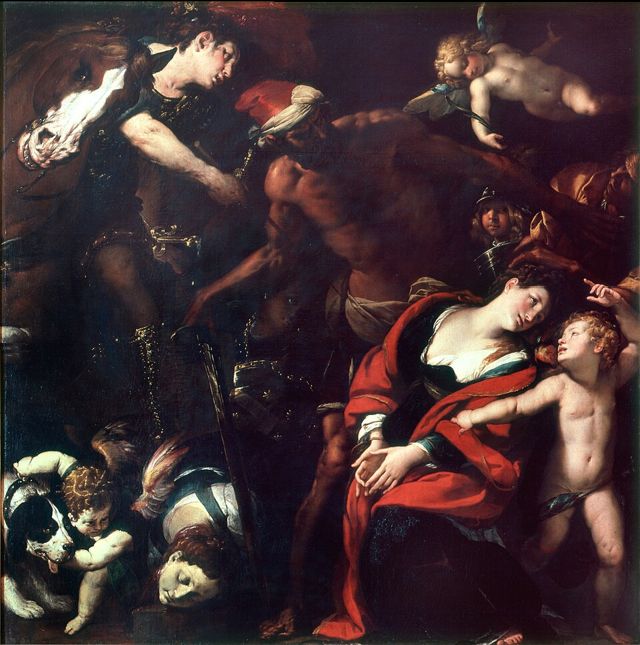
On her return, laden with relics [the bodily remains of a saint, or objects they used, kept with honor], she was received everywhere with admiration and respect. She distributed the relics in all directions, and then settled down by the church of Saintes, near Hal, in Hainault, with a sub-deacon, Grimoald, and a servant, named Gundulf. The Huns [nomadic invaders from Central Asia, led in the 5th century by Attila] at this time made their terrible invasion of Germany, and their advanced posts swept Hainault and Brabant. Some of these barbarians came to Saintes, where they killed S. Reynildis, Grimoald and Gundulf. Their relics are shown to this day at Saintes.
Feast: July 10
One short email a day for nine days. The day's prayer, a line from St. Reynildis or Rainilda's story, and a nudge to keep going.
From Sabine Baring-Gould, The Lives of the Saints, new edition in 16 vols. (London: John C. Nimmo, 1897–98); text from the Internet Archive scan (OCR, lightly cleaned; errors possible). Public domain.
From Sabine Baring-Gould, The Lives of the Saints, new edition in 16 vols. (London: John C. Nimmo, 1897–98); text from the Internet Archive scan (OCR, lightly cleaned; errors possible). Public domain in the United States. Reproduced unedited, except for short bracketed notes in grey that we added to explain names and terms (“S.” is the old abbreviation for Saint). Some history and judgments reflect 19th-century scholarship.