Their story
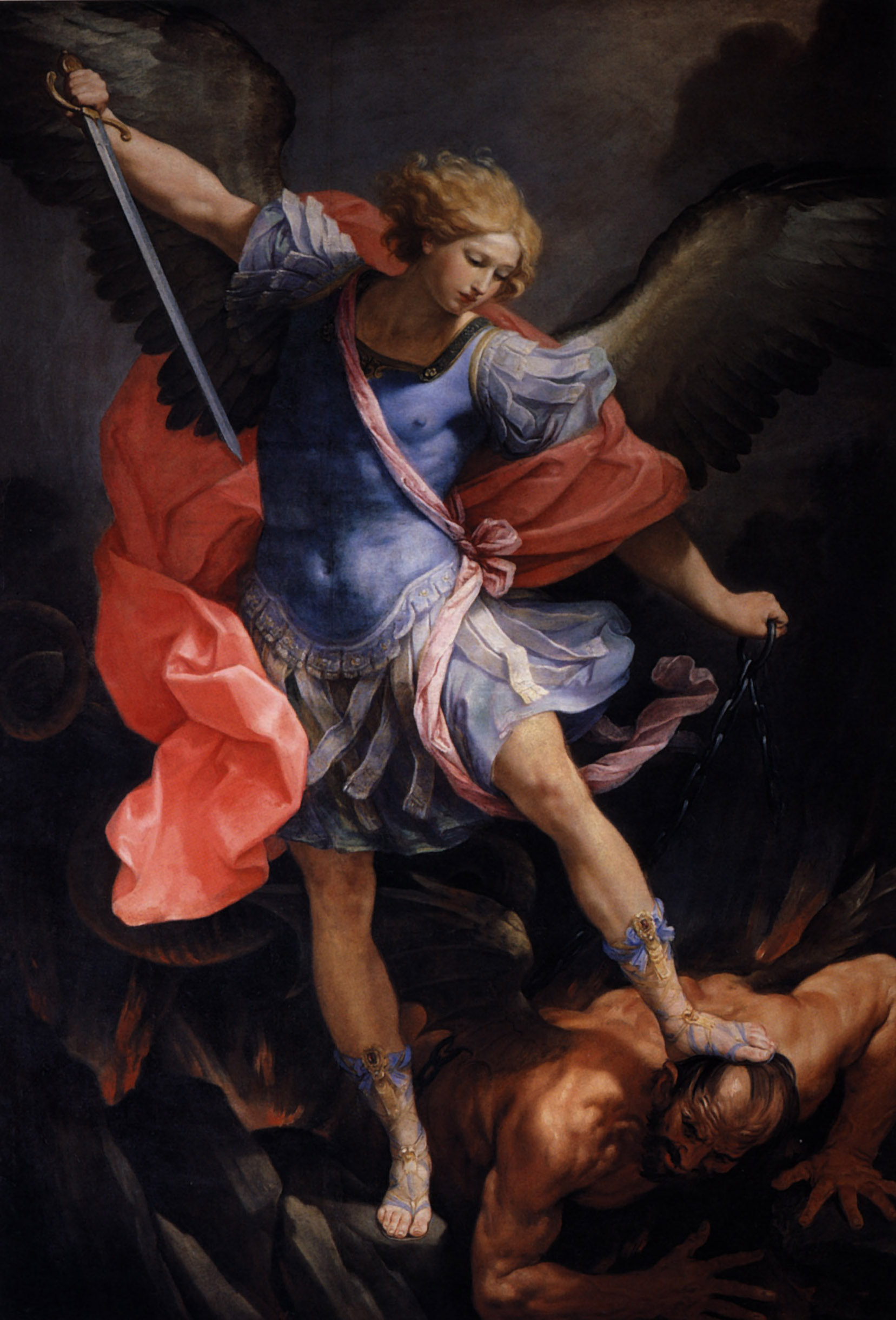
Joan was born around 1412 in Domrémy in northeastern France, the daughter of a farmer. France was losing the Hundred Years' War (England and France's long war over the French crown, 1337–1453), and the English and their Burgundian allies held much of the north. At about thirteen she began hearing voices she identified as St. Michael, St. Catherine and St. Margaret. They told her to help the uncrowned Dauphin (the title of the heir to the French throne), Charles.
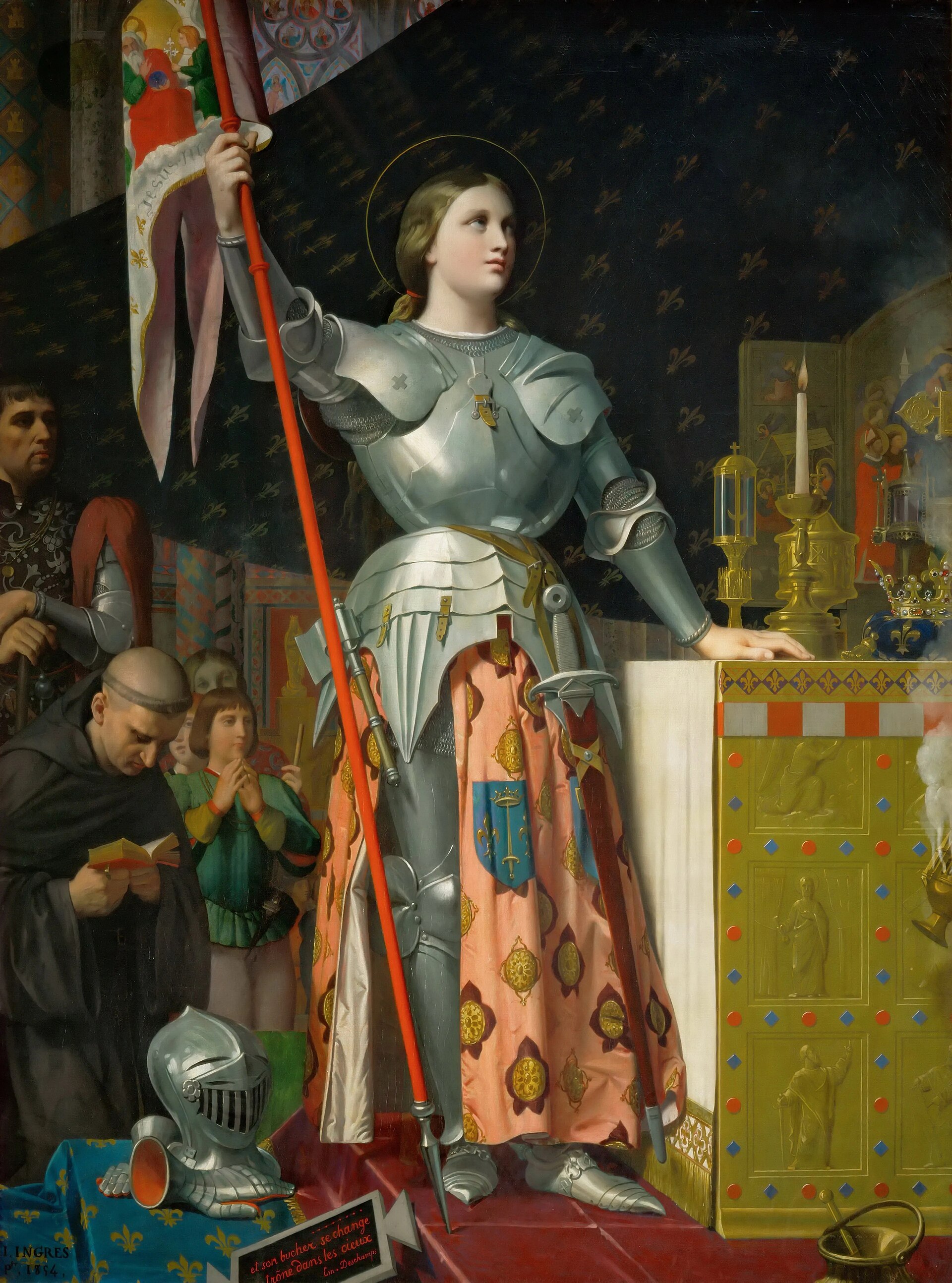
In 1429, at seventeen, she persuaded a garrison commander to send her to Charles at Chinon. After clergy questioned her at Poitiers, she was sent with troops to the besieged city of Orléans. The siege was lifted in nine days, in May 1429. She then led the push that let Charles be crowned in Reims Cathedral on July 17, 1429, with her standing nearby with her banner.
In May 1430 she was captured at Compiègne and sold to the English. A Church court under Bishop Pierre Cauchon tried her for heresy, focusing on her voices and her wearing men's clothes. Asked whether she was in God's grace—a trap—she answered, “If I am not, may God put me there; and if I am, may God so keep me.” She was burned in Rouen on May 30, 1431, aged about nineteen. A retrial in 1456 annulled the verdict, and she was canonized (officially declared a saint by the pope) in 1920. People follow her because a teenage girl trusted God's call against every expert, and kept faith even when abandoned.