F
Sts. Felix and Adauctus
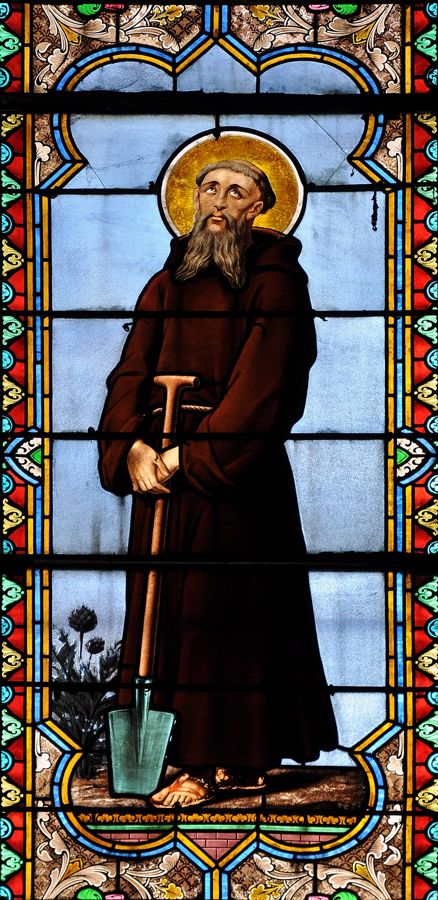
St. Fiacre
P
Trying to rule as a Christian, not just in name.
August 29
Not verified yet
King
Confessor
…the aforesaid king (Sighere) and people to the way of righteousness, so that, forsaking or destroying the temples and altars which they had erected, they opened the churches, and rejoiced in confessing the name of Christ. These things being done, the priests and teachers returned home with joy.” “Sebbi,” continues Bede, “ was much addicted to religious works, almsgiving, and frequent prayer; preferring a private and monastic life to all the wealth and honours of his kingdom, which sort of life he would also long before have adopted, had not his wife positively refused to part with him; for which reason many were of opinion, and gave vent to it in words, that he was more fit to be a bishop than a king.
Look after people who are sick or suffering. The sick come up again and again in this story.
Give to people in need. The account records care for the poor.
Learn from the kind of life it was. Trying to rule as a Christian, not just in name.
…the aforesaid king (Sighere) and people to the way of righteousness, so that, forsaking or destroying the temples and altars which they had erected, they opened the churches, and rejoiced in confessing the name of Christ. These things being done, the priests and teachers returned home with joy.” “Sebbi,” continues Bede [English monk and historian (d. 735)], “ was much addicted to religious works, almsgiving, and frequent prayer; preferring a private and monastic life to all the wealth and honours of his kingdom, which sort of life he would also long before have adopted, had not his wife positively refused to part with him; for which reason many were of opinion, and gave vent to it in words, that he was more fit to be a bishop than a king. When he had been thirty years a king, and a soldier of the heavenly kingdom, he fell violently sick, and died of this sickness; but when attacked, he admonished his wife that they should then at least jointly devote themselves to the service of God, since they could no longer enjoy, that is, serve, the world. Having with much difficulty obtained this of her, he repaired to Waldhere, Bishop of London, and with his blessing received the religious habit, which he had long desired. He also carried to him a considerable sum of money, to be given to the poor, reserving nothing to himself, but rather coveting to remain poor in spirit for the sake of the kingdom of heaven. “When the aforesaid distemper increased upon him, and he perceived the day of his death to be drawing near, being a man of royal disposition, he began to apprehend lest, when under pain, and at the approach of death, anything unbecoming might escape from his lips, or there might be want of dignity in the posture of his limbs. He therefore called to him the Bishop of London, and entreated that none might be present at his death except the bishop and two of his attendants. The bishop consented.” As Waldhere dozed by the King’s bed, he thought he saw men in shining garments minister to the sick man, and promise him a painless death. Sebbi passed away gently in a slumber, and was buried in S. Paul’s, London. Bede adds an unworthy and ridiculous story about the stone coffin of Sebbi.
Feast: August 29
One short email a day for nine days. The day's prayer, a line from St. Sebbi's story, and a nudge to keep going.
From Sabine Baring-Gould, The Lives of the Saints, new edition in 16 vols. (London: John C. Nimmo, 1897–98); text from the Internet Archive scan (OCR, lightly cleaned; errors possible). Public domain.
From Sabine Baring-Gould, The Lives of the Saints, new edition in 16 vols. (London: John C. Nimmo, 1897–98); text from the Internet Archive scan (OCR, lightly cleaned; errors possible). Public domain in the United States. Reproduced unedited, except for short bracketed notes in grey that we added to explain names and terms (“S.” is the old abbreviation for Saint). Some history and judgments reflect 19th-century scholarship.